Public roof work needs a scope that procurement can compare and a sequence the facility can operate through. Irving’s regional climate brings hot summers, wetter spring and fall periods, and recurring Metroplex hail and wind. These are exposure conditions; inspection of the agency roof establishes its actual repair or capital need. This record lets decision-makers compare stabilization with a defined capital project without treating the weather event itself as a diagnosis. We inspect the roof in question, document accessible findings and distinguish immediate stabilization from permanent repair or capital planning. The scope names its limits and decisions so a facility representative can route it through the agency’s actual review process.
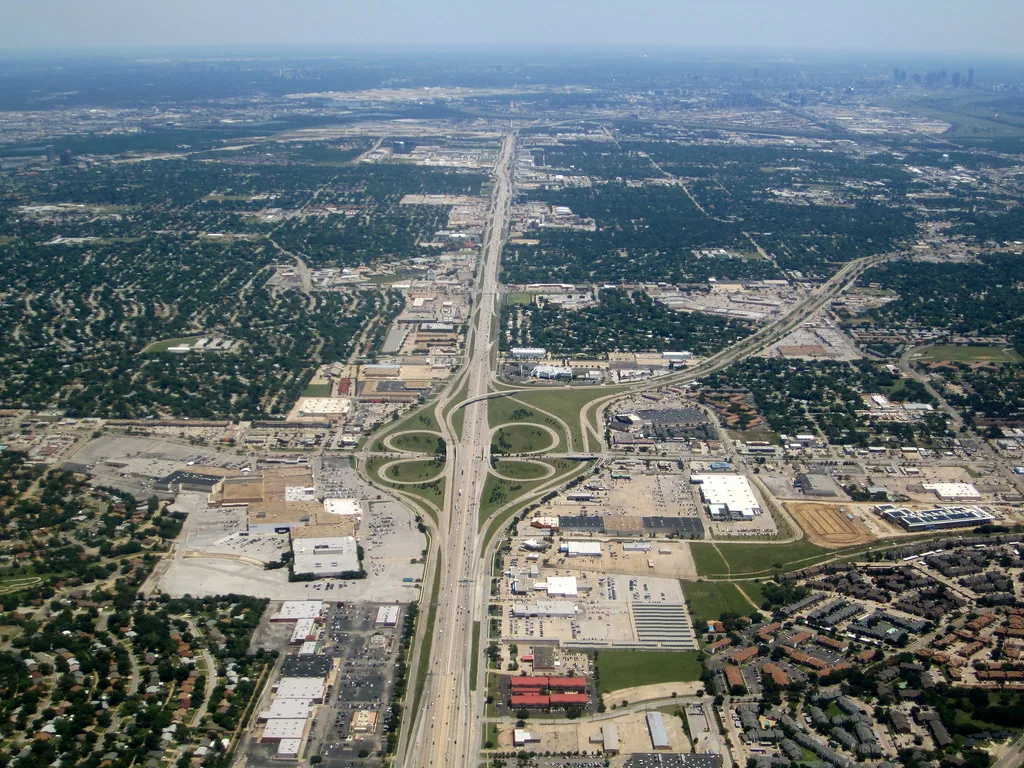
Heritage Crossing includes Irving’s downtown corridor and redevelopment extending into South Irving. The Central Irving SH 183 route connects the city with Dallas and Fort Worth. Those broad public-area contexts may help orient a facilities assignment, but they do not identify the location or condition of a particular government roof. The agency supplies the authorized contact, access process and approval path; the inspection supplies evidence about the building itself.
What should a public roof scope make clear?
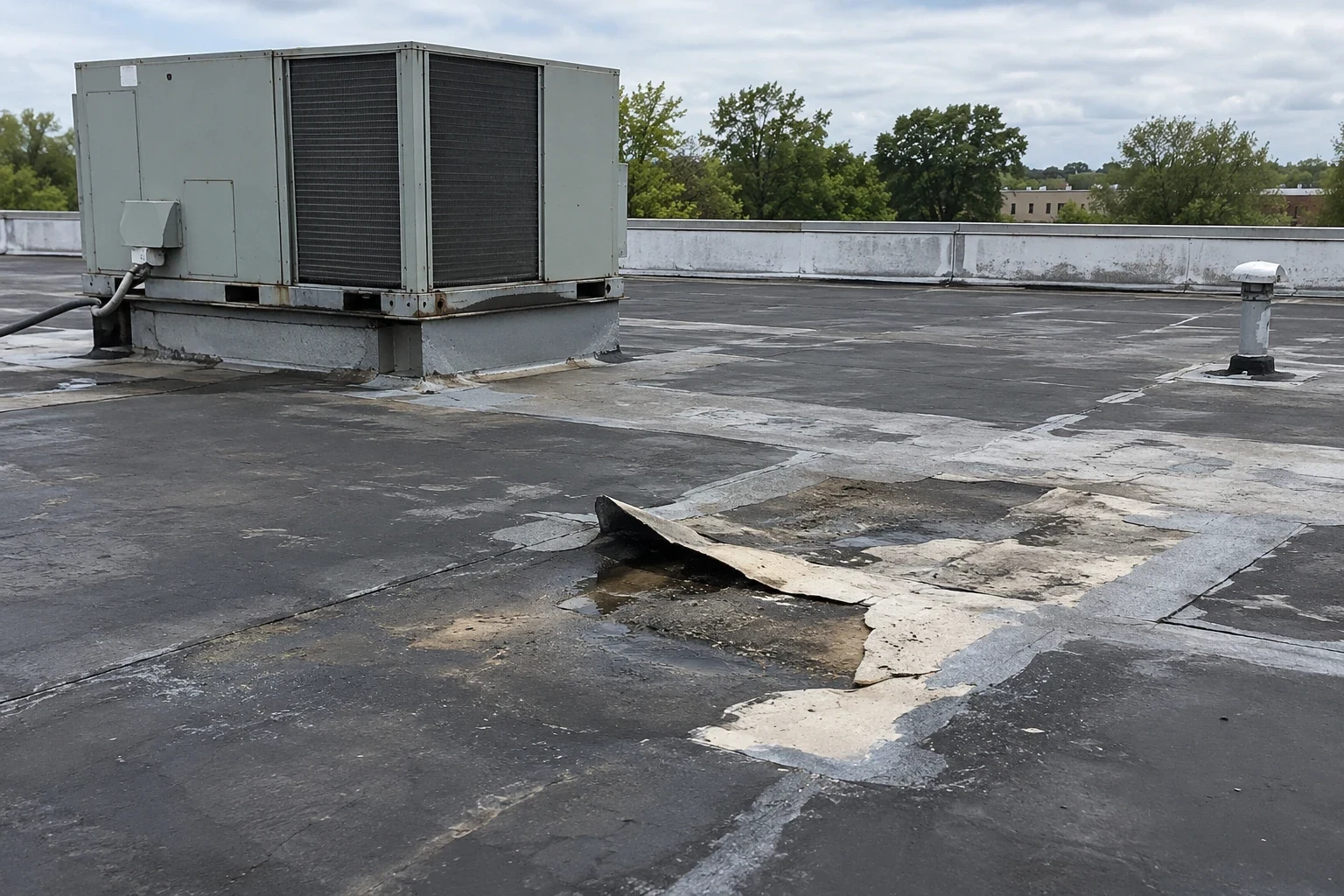
A useful scope begins with the property and roof area, then states the visible condition, likely mechanism, recommended task and quantity basis. We identify whether the finding is a leak, open seam, drain issue, damaged metal or an assembly question that needs more investigation. Photographs should locate the condition and distinguish it from other roof sections. If there are access limits or unexamined areas, they stay visible in the report so the reviewing staff does not mistake a limited inspection for a complete building survey.
Repair, recover, coating and replacement are separate options with different preparation and evidence requirements. A surface coating cannot correct every wet or unstable assembly. A recover depends on the receiving roof and attachment. Replacement may call for removal limits or substrate work that cannot be known from a ground-level view. Our condition report can support review by connecting observations and photos to a specific scope, with concealed conditions listed as assumptions rather than measured fact.
How do permits and internal approvals fit?
The roofing scope can be documented for the agency’s procurement file, with plan-review materials assembled to fit the proposed alteration. Irving adopted the 2024 IBC, IECC and IEBC with local amendments, and relevant city departments review most commercial construction applications; the agency’s design lead confirms which provisions apply to its project.
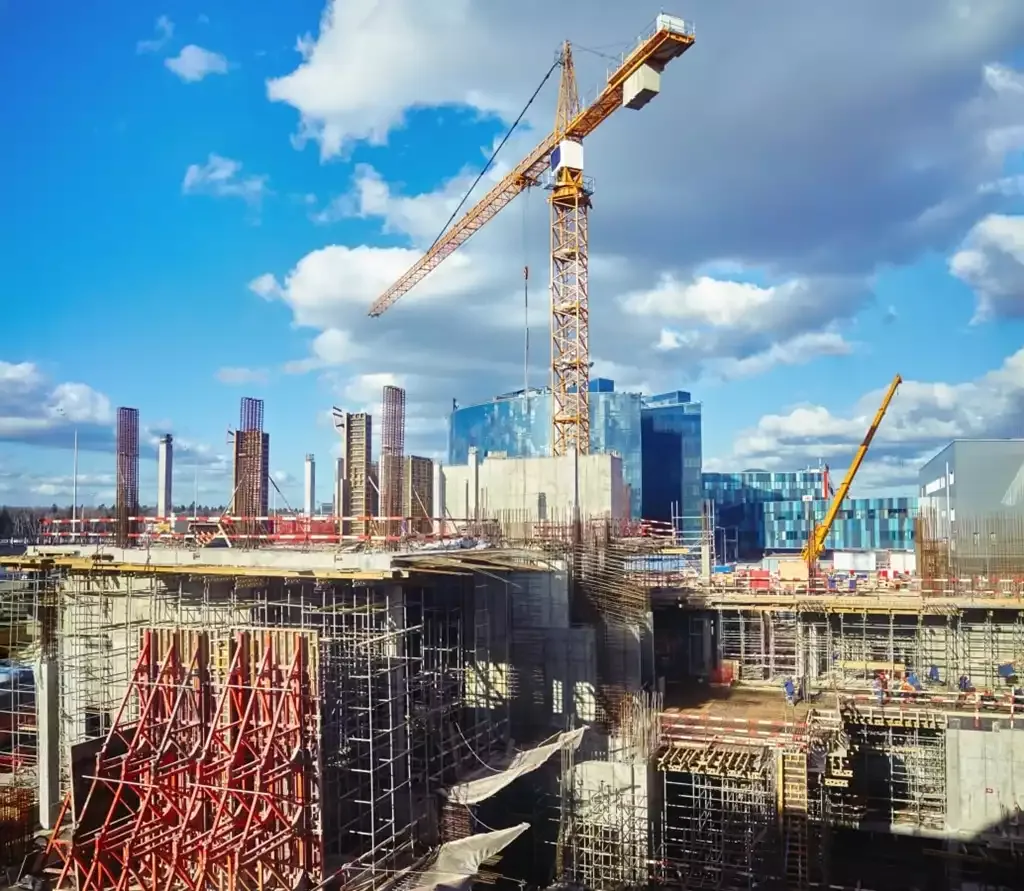
A proposal can help reviewers compare defined work only when its assumptions are plain. We state access needs, temporary protection, removal and disposal, substrate allowances, equipment interfaces and work excluded from the roofing price. If additional material may be exposed, we identify a review point and who can authorize a change. That keeps a concealed-condition allowance from being confused with a confirmed quantity or an approval already granted. Construction coordination can help clarify interfaces where other trades are part of the approved project.
How is work coordinated at an occupied facility?
The agency identifies hours, public access, staff movements, security checks, emergency routes and any spaces that cannot be interrupted. We plan crew access, deliveries, staging and debris removal around those rules, then define the protection needed below the roof. The facility’s authorized representative decides when a room, entrance or system can be restricted. For an urgent opening, an around-the-clock response can stabilize water entry; permanent work follows the safe access and authorization process agreed for that property.
Rooftop equipment can require another review before work. The building operator and service contractor identify active units and any shutdown constraints; the responsible design professional handles structural or mechanical questions. We address the roof flashing, curb, membrane and surrounding materials in the accepted scope. Our occupied-building work plan makes the sequence and protection points explicit, helping agency staff coordinate the facility without assuming the roofing crew controls public operations.
How should storm damage be documented?
A regional hail or wind report is a reason to inspect, not proof of damage at every public building. We record observed punctures, displaced edge details, opened seams, debris impacts and access limits at the property. Existing wear and conditions unrelated to the reported event remain distinct unless evidence ties them together. If water is actively entering, stabilization can proceed as an immediate task while the permanent repair scope is developed from examination of the affected roof area.
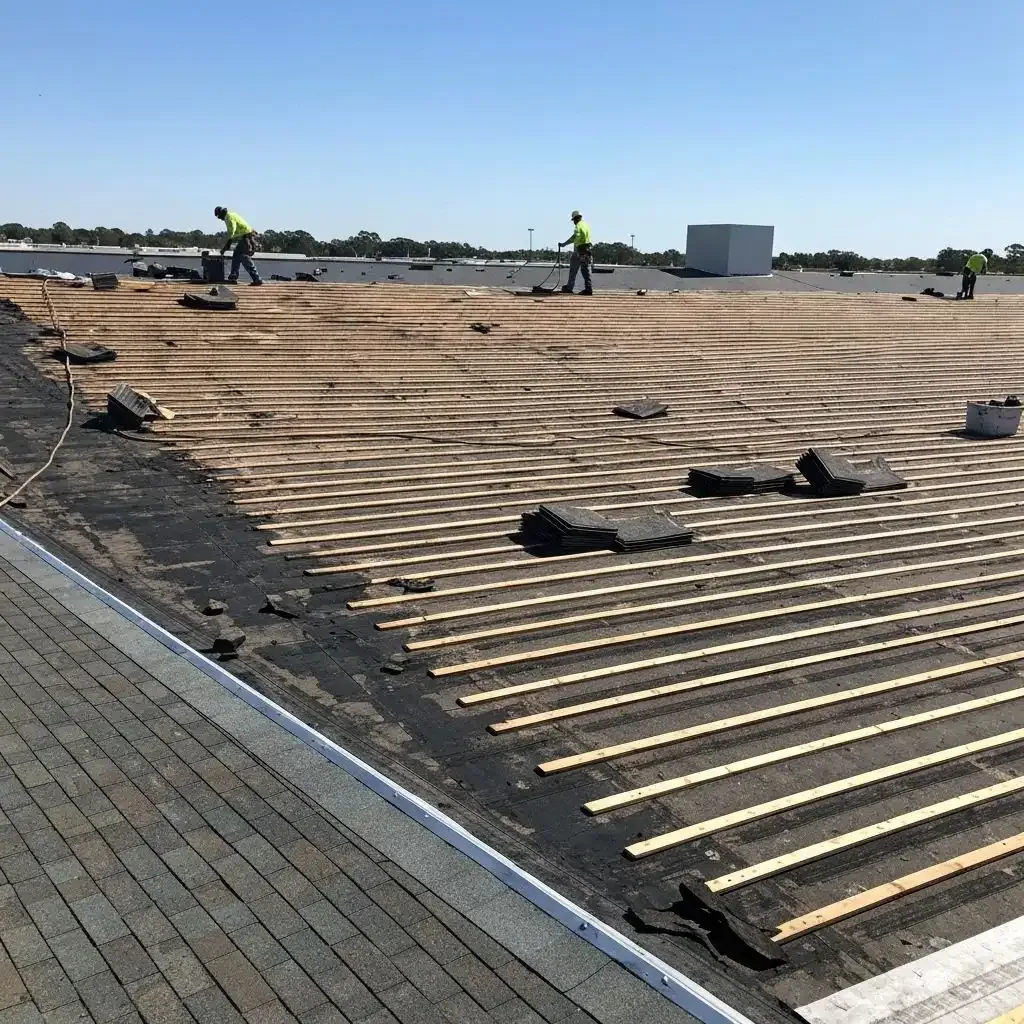
An agency claim file benefits from dated photographs, location references, inspection observations and a repair scope that states the basis for each item. We do not infer damage on concealed surfaces from one visible mark. Where moisture or attachment may extend beyond the initial defect, we identify the investigation needed to establish its extent. Roof claim documentation can organize the roofing evidence for the agency’s review while leaving coverage decisions to the insurer and policy.
What supports a reliable maintenance record?
A maintenance record should preserve the building area, condition found, action taken, materials used and follow-up required. Recurring attention to drains, penetrations, terminations and past repairs can identify new changes before the next capital review. It cannot prevent every future water entry. We report the condition on the date observed and recommend a repair, monitoring step or further investigation when the evidence supports it. Separate findings stay separate so a portfolio summary does not hide an urgent defect.
For buildings in the Central Irving SH 183 corridor or Heritage Crossing, access and public activity may change setup and timing. The property representative supplies current site rules and the project lead confirms approvals. Our preventive maintenance can be planned for the actual roof condition and facility needs. The record stays with the building work history and supports future review. A separate property portfolio record approach can align documentation across assets while preserving each building’s findings.
Commercial Roofing Questions
Can an inspection report prove a roof was damaged in a storm?
It records the condition observed at the property and the areas examined. A regional weather report alone does not establish damage at a specific building. We describe visible conditions, access limits and any additional examination needed to connect a defect with the reported event.
What should an agency proposal include for review?
Identify the roof area, condition, repair method, quantity basis, access assumptions, protection, exclusions and any allowance for concealed conditions. We note who approves added investigation and which other trades have separate responsibilities. That allows reviewers to compare scopes using the same assumptions.
Does Irving’s building code adoption settle the permit path?
The adopted code and local amendments provide part of the applicable basis, but requirements depend on the actual project scope. Irving requires permits for commercial construction, additions and remodeling. The agency’s project lead and design professionals confirm the submittal and review needed for the proposed work.
How can a public building stay accessible during roofing work?
The facility identifies public routes, security procedures, work hours and areas that must remain open. We place those constraints into the crew and material plan, with barriers and roof-side protection set before work begins. The agency controls public access and authorizes any closure or service interruption.
What records should be retained after a repair?
Keep the roof area, dated photographs, materials, observed condition, work performed, access limits and remaining follow-up with the facility file. If an opening exposed concealed material, record what was found and how it was restored. Those details give future reviewers an accurate basis for comparing work.
Ready to review the roof scope?
Request a Roof Assessment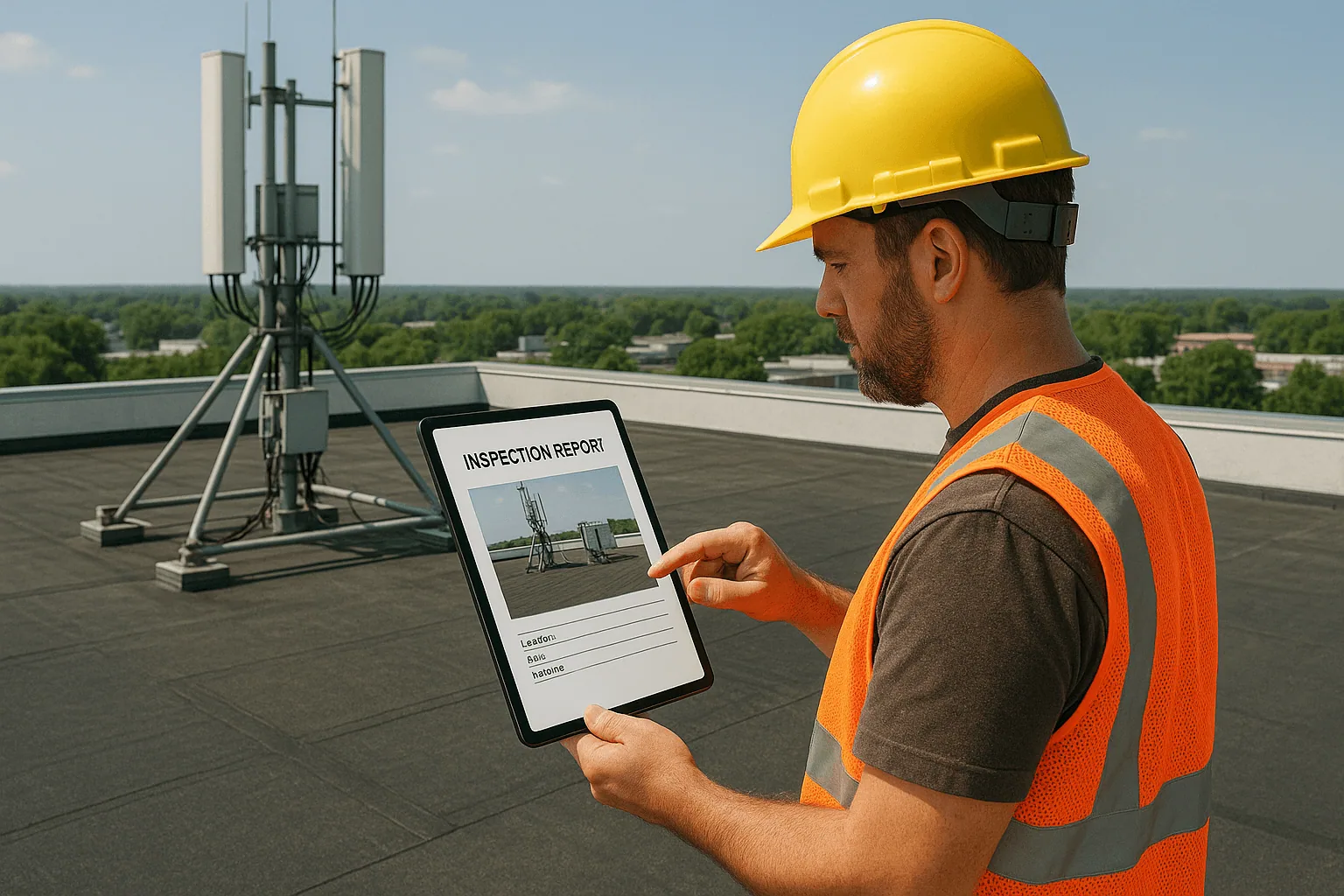
Commercial Roofing Coordination for General Contractors
See scope, options and what to expect on the roof.
Commercial Roof Insurance Claim Assistance
See scope, options and what to expect on the roof.