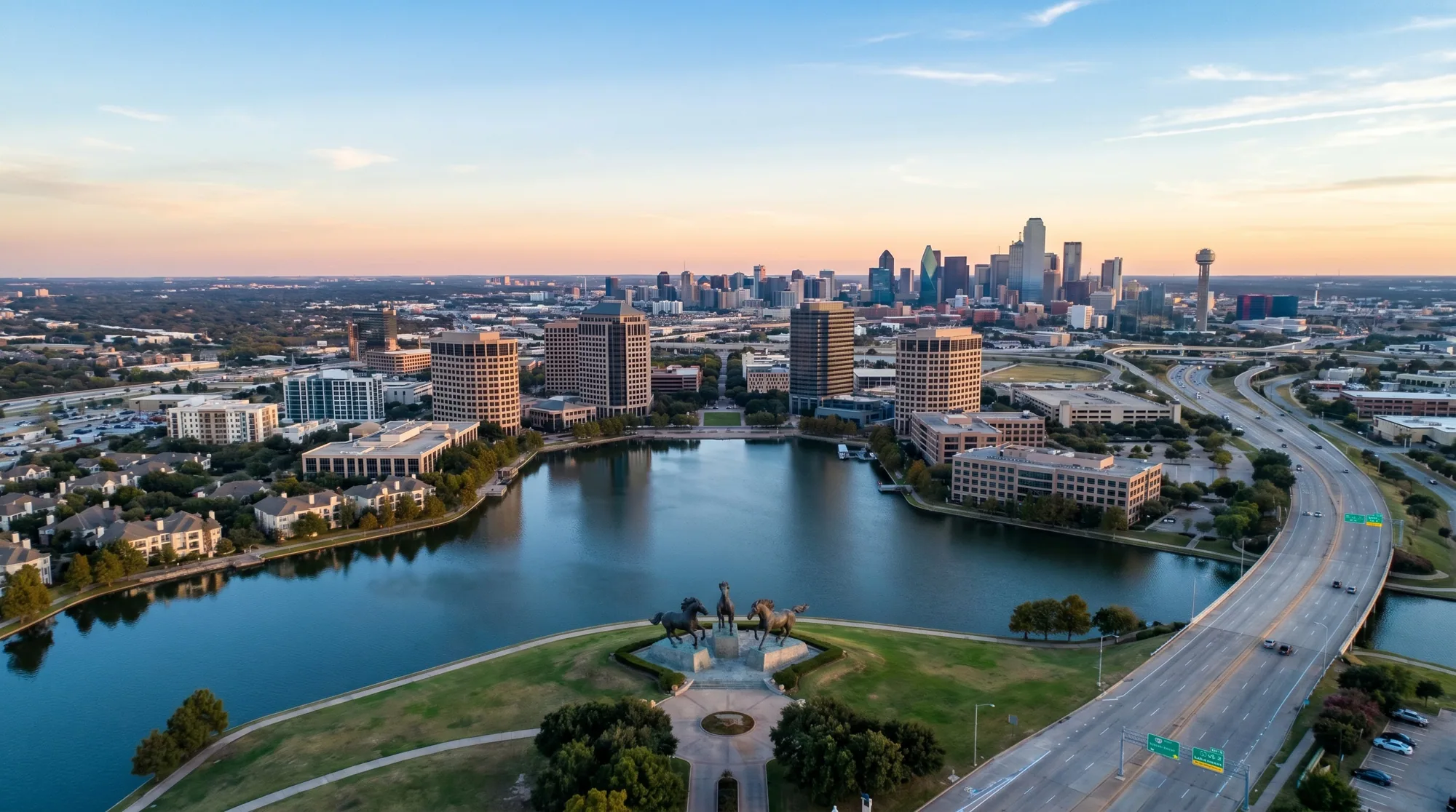
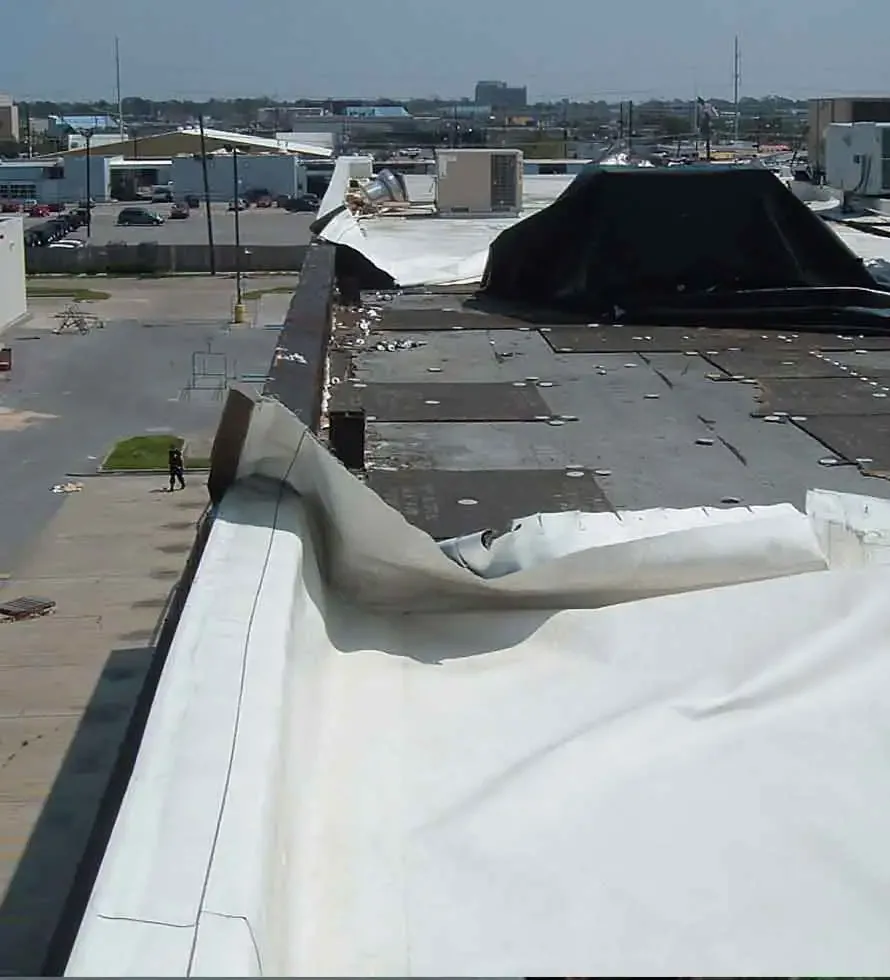
A tornado can leave one roof section open while adjacent fields look untouched, or scatter debris that damages more than one transition. Tornadoes occur in the Metroplex, but regional risk does not establish an impact at a particular Irving property. Commercial Roofing Irving examines the actual covering, perimeter and support after safe access is cleared, then separates urgent water control from the permanent reconstruction needed for the building.
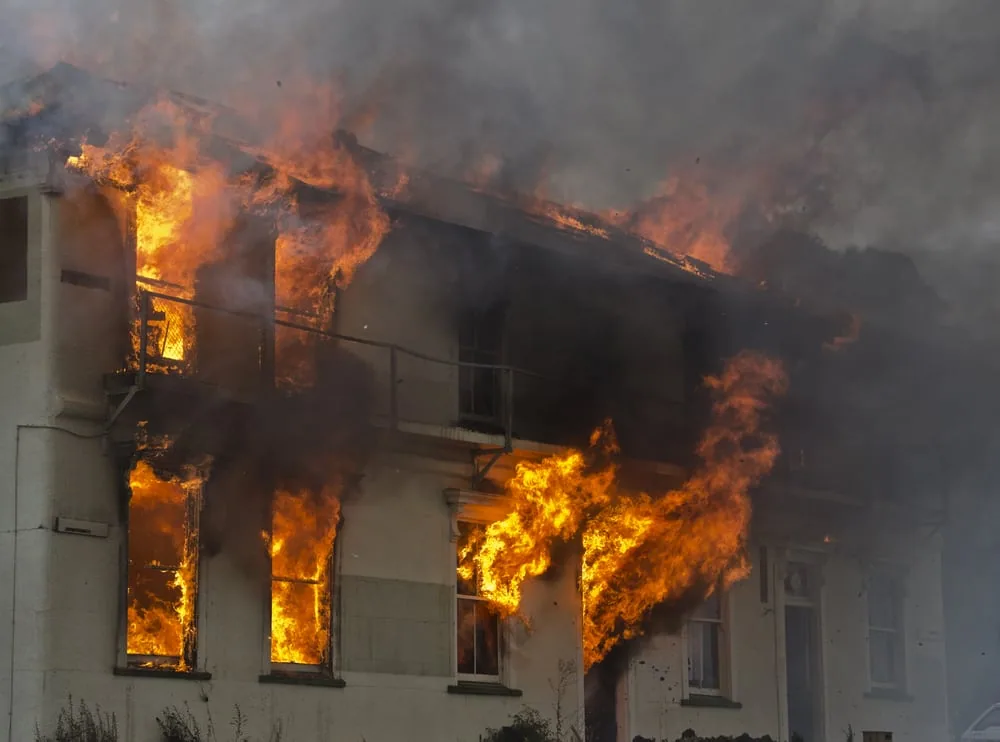
Las Colinas office buildings and Valley Ranch commercial and multifamily properties have different roof equipment and access needs. We account for the building in front of us, not a generalized storm map. The assessment records where material moved, whether water entered and what layers remain suitable to retain. That evidence sets the repair boundary and any additional checks required before closure.
What needs attention before the next weather change?
Loose sheet, lifted metal, broken skylight glazing or an open curb can allow further water entry and create a falling-material hazard. We assess access, roof stability and nearby utilities before approaching the damaged area. When safe, we provide emergency roof response to protect the opening. Temporary cover is selected to remain secured to a stable part of the assembly and direct runoff away from occupied areas; it is not treated as a permanent attachment repair.
Inside, the property team may need to isolate electrical equipment or protect ceiling materials before the roof scope can proceed. We coordinate where roof work affects those areas and document the temporary measures. A follow-up inspection examines conditions beneath the cover and checks the edges that were not visible during initial response. This sequence prevents a quick dry-in from being mistaken for confirmation that the roof layers below are sound.
How far did wind movement travel?
Uplift transfers through the roof field, fasteners or adhesive, perimeter metal and deck. A separated corner can indicate a failed attachment path beyond the visible tear. We inspect fastening patterns, membrane bond, coping and edge support around the opening. The repair must reconnect to stable material; fastening a loose sheet into a weakened substrate can reproduce the same failure. Where adjacent seams have opened, seam repair needs to address tension and support as well as the weld or lap.
Debris impacts can cause cuts or punctures separate from wind uplift. We map each injury and compare it with the path of loose material, then examine nearby curbs and equipment. A bent metal edge may have struck the membrane as it moved. Wind damage reconstruction and impact repair can be combined where the same area contains both conditions, while the scope keeps each component distinct.
Did rain reach insulation or the deck?
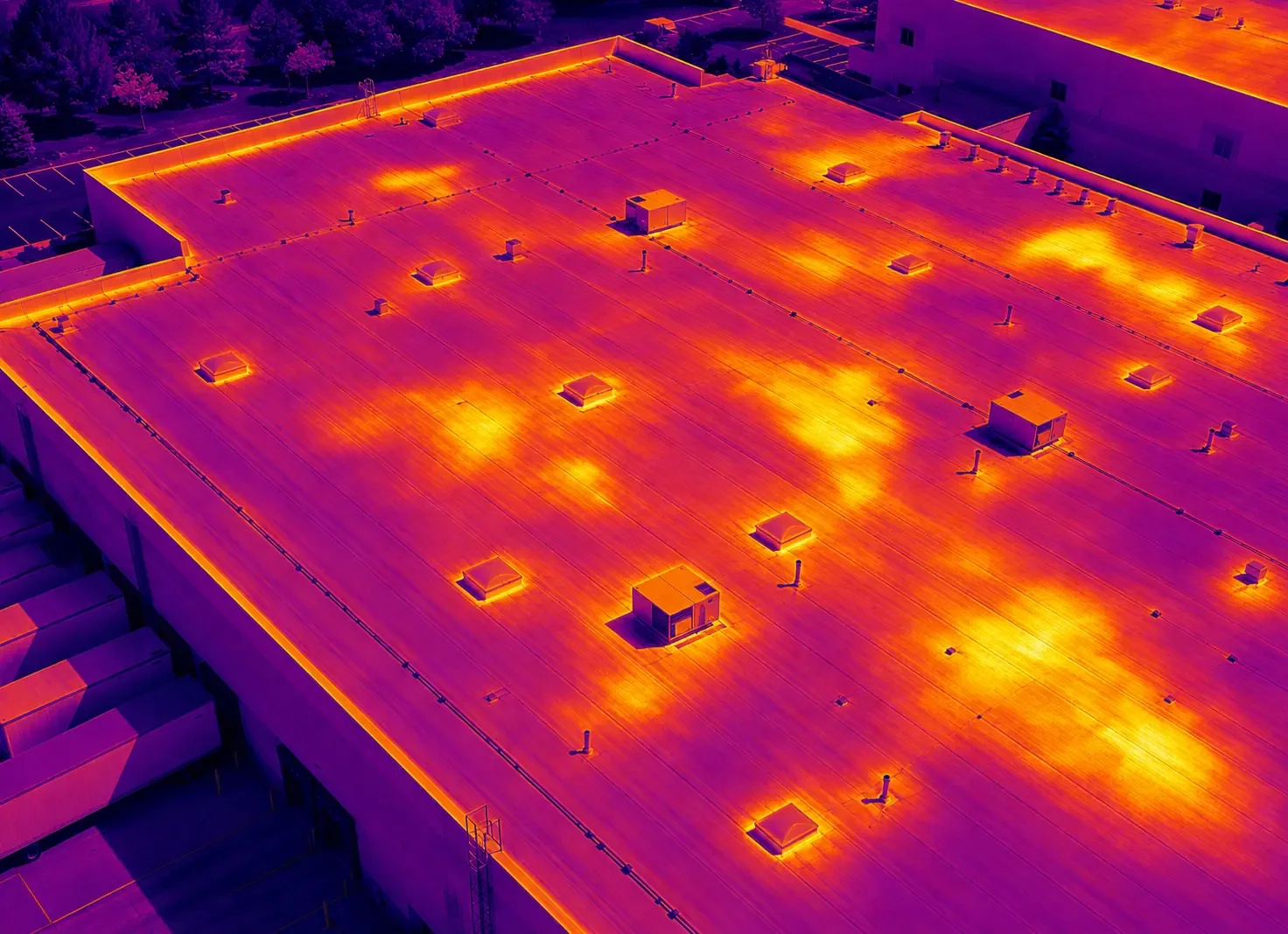
Water can move along board joints or the deck before an interior leak becomes visible. We compare the reported room with roof slope and damage location, then check nearby insulation and support. A selective opening may be needed where moisture remains concealed. If thermal conditions support it, an infrared survey can direct those checks, with confirmation made against the exposed material. Wet insulation that has lost support is removed to a sound boundary before the membrane is replaced.
Standing water around a damaged drain can extend wetting after the storm. We examine outlet connections and the roof elevations leading to them, separating debris cleanup from drain or slope correction. A new sheet should not cover a low area that keeps water against the repaired detail. We document where water entered, what moved beneath it and which layers remained serviceable. Those observations help the owner choose between a contained correction and work that reaches farther into the assembly.
Which connections need rebuilding?
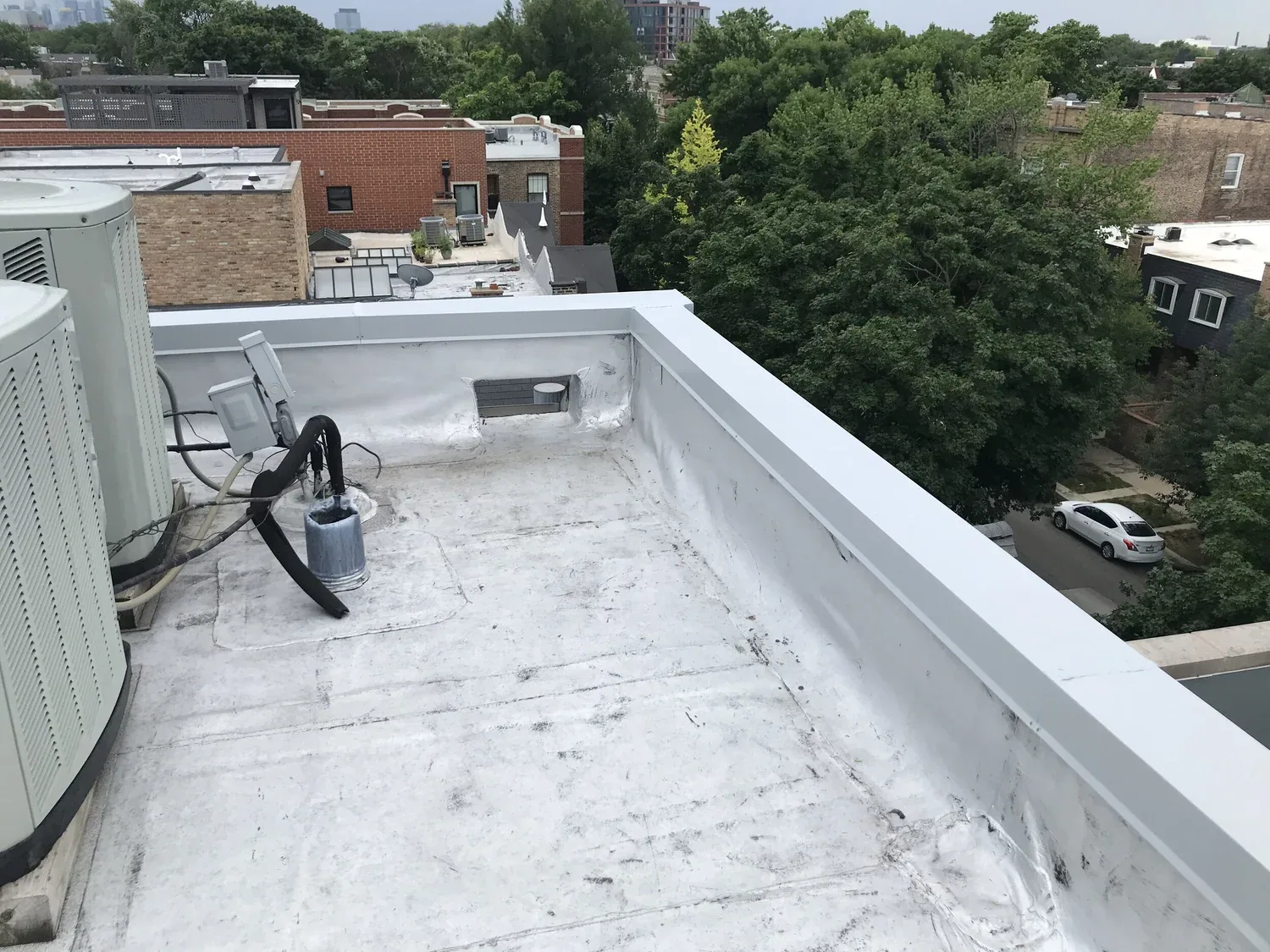
Roof curbs, skylights, parapets and edge metal each connect materials that move differently. We inspect flashing corners, metal attachment, membrane termination and supporting substrate for separation. Where equipment blocks access, the responsible trade may need to lift or disconnect it before the upper flashing can be rebuilt. A surface seal over an unreachable connection can hide the opening without restoring water control. The new detail must tie into compatible material and preserve movement where the roof design requires it.
For sheet systems, repair preparation and weld or bond selection depend on the installed membrane. Metal panel roofs require review of clips, seams and closures instead of a sheet patch. We identify which connection carries the issue and replace only components that cannot remain. Edge metal and coping repair may be included when loose perimeter parts threaten the roof field, with support and fastening checked along the affected length.
How can reconstruction fit business continuity?
Work over occupied space is sequenced to keep an opening protected and coordinate access to equipment and entrances. In Las Colinas office settings, we plan material staging and noisy work around active operations where practicable. At Valley Ranch properties, commercial activity and multifamily circulation can both affect roof access and debris handling. We agree on routes and work zones before removing material, then close each section as conditions permit.
Permit or association review may be relevant to a larger reconstruction, but requirements depend on the city and property. We identify the work proposed and coordinate with the owner on applicable approvals before construction. Photos, a located scope and condition findings distinguish temporary protection, confirmed storm injury and permanent work. If repairs are needed immediately, that record can support a separate discussion of damage documentation through claim assistance, without deciding coverage or causation.
When should the repair expand beyond the opening?
A single opening can be contained when its edges reach dry, stable and attached material. Widespread membrane release, wet insulation, deck damage or multiple displaced terminations may call for sectional removal or replacement. We explain which evidence changes the boundary and what remains unexamined. Cost follows the amount of material removed, deck repairs, edge reconstruction, equipment coordination and weather protection required while the roof is open.
The storm report helps explain why an inspection is timely, but the building's own assembly determines the correction. We identify the load path and water path separately, then connect them in the permanent scope. A repair is complete when the covering and its supporting details have been rebuilt to suitable retained materials, not simply when the opening is hidden. Request an Irving assessment after a tornado-related roof event so safe access, temporary cover and permanent work can be planned in order.
Commercial Roofing Questions
Can you inspect a roof while debris remains on it?
We first consider safe access, sharp material, unstable components and the structure below. Debris may need to be handled by the appropriate response team before roof examination. Where access is cleared, we document the affected area and protect openings. Conditions hidden beneath debris remain unconfirmed until it can be moved safely.
Does an intact interior ceiling mean the roof avoided damage?
Not necessarily. Water and movement can remain above the ceiling before a stain or drip appears. We check roof connections, insulation and reported areas after access is safe. A dry interior observation is useful context but does not confirm that the membrane or attachment remained undisturbed.
Can temporary protection be installed before a full scope is ready?
Yes, when safe access and suitable attachment points allow it. The temporary measure limits further exposure while the assembly is examined and permanent materials are selected. We document its limits and return to check concealed areas. It is not counted as completed reconstruction or proof that the underlying layers are dry.
What changes if the deck was exposed or damaged?
The supporting structure needs examination before roof materials are installed over it. We coordinate with the appropriate building professional when deck condition is uncertain or visibly compromised. The repair scope then includes suitable substrate work before insulation and membrane are rebuilt. Safe access and structural clearance determine when that sequence can begin.
Ready to review the roof scope?
Request a Roof Assessment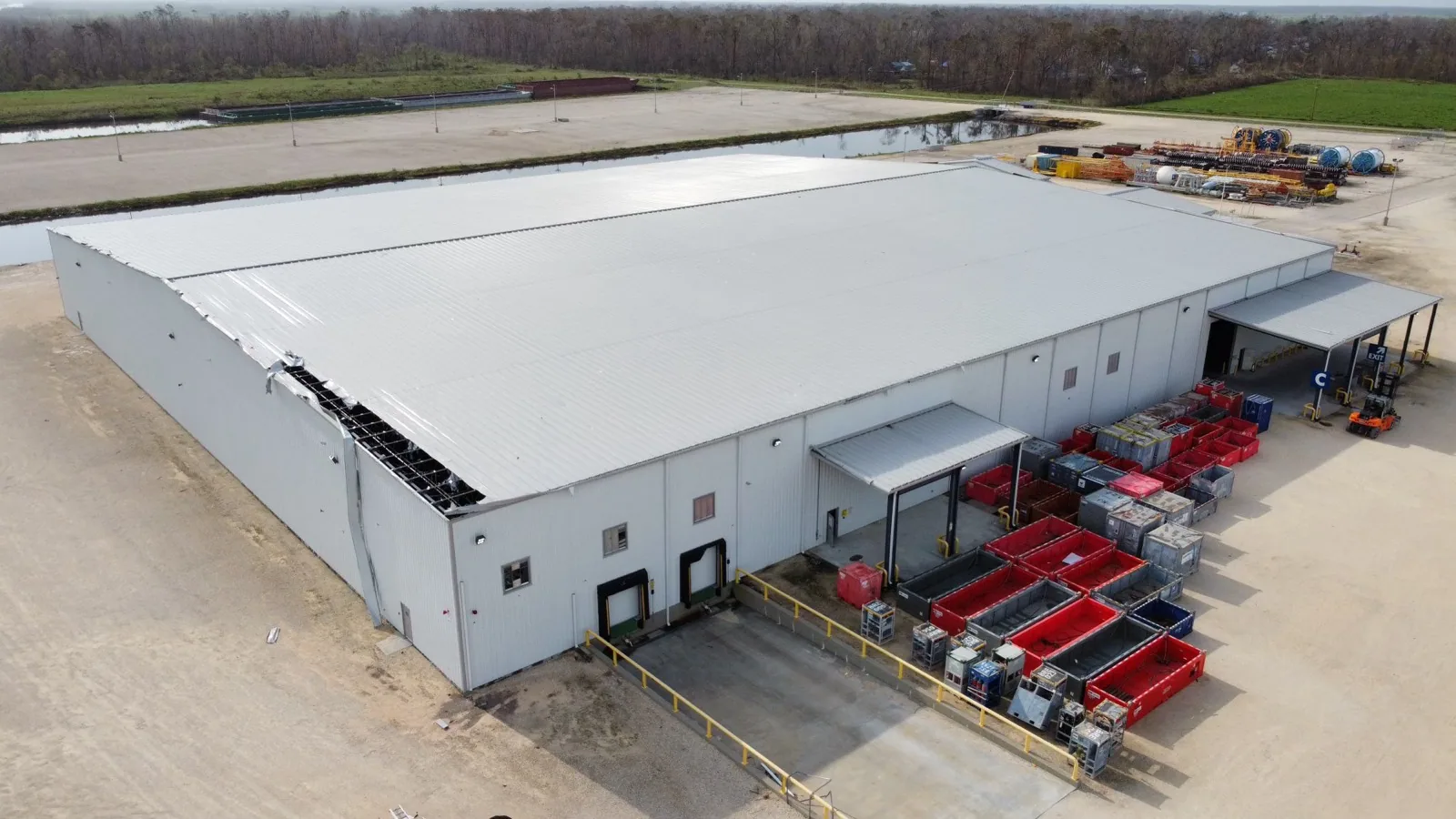
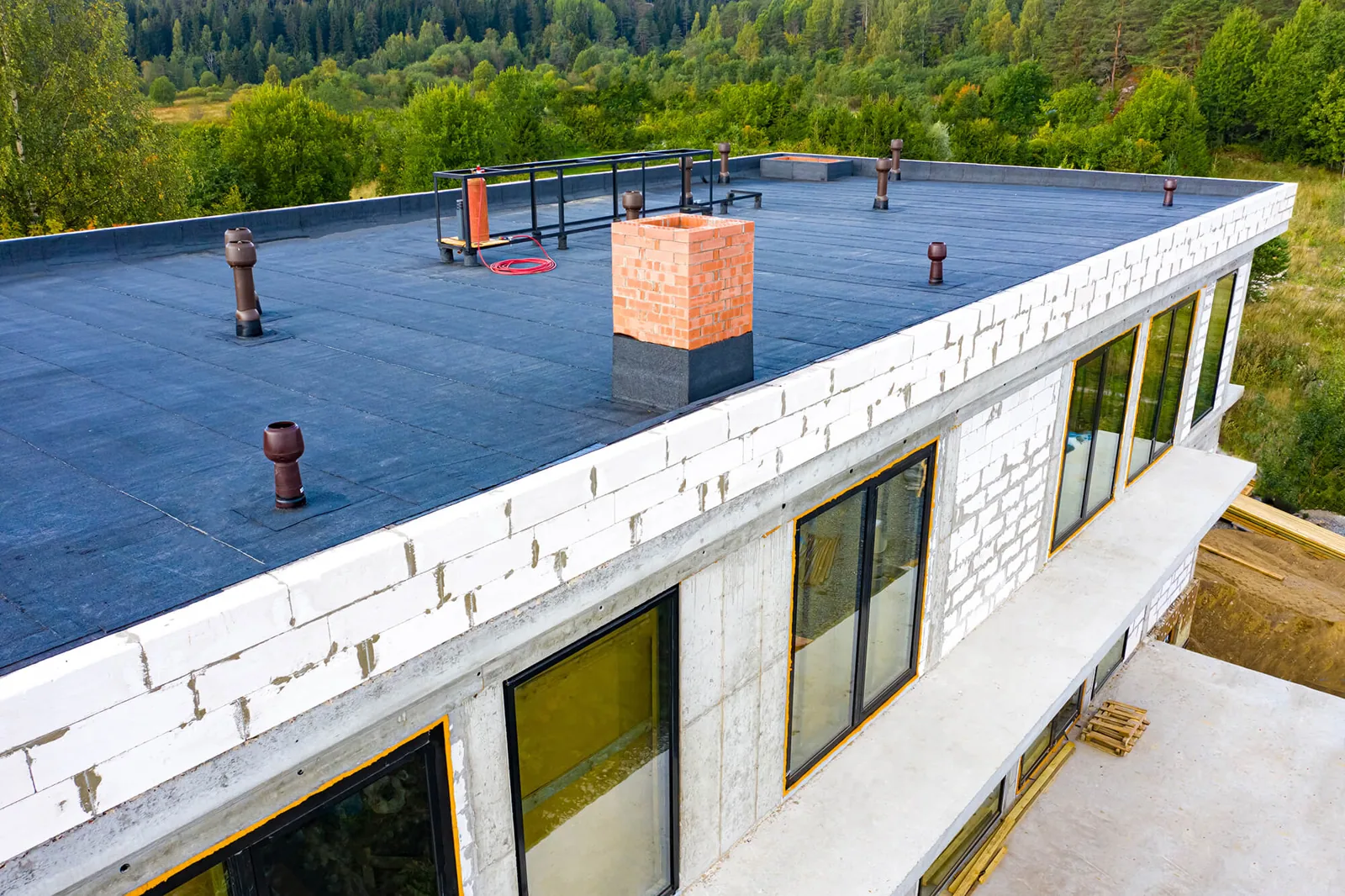
Commercial Roof Edge Metal, Coping and Gutters
See scope, options and what to expect on the roof.