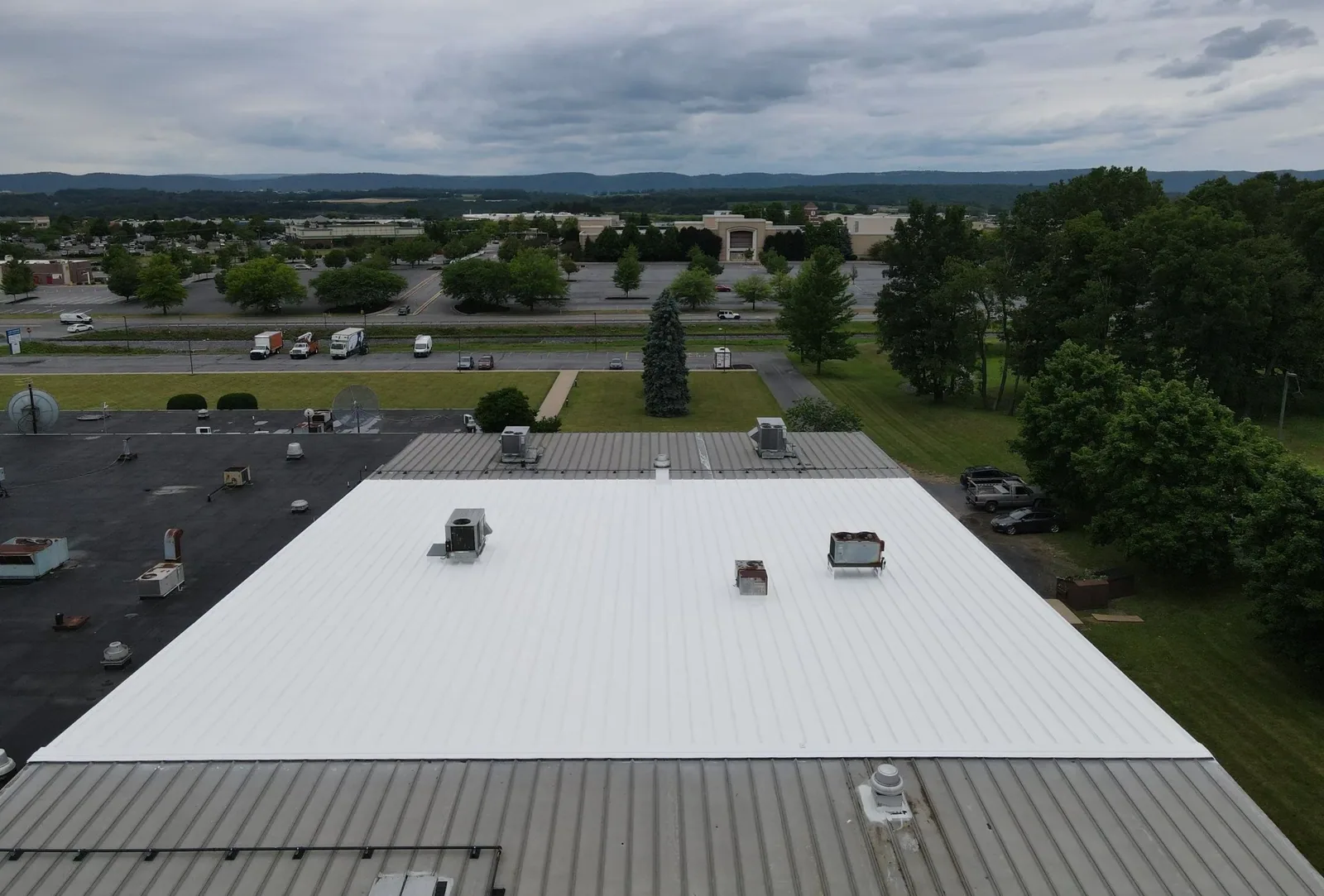
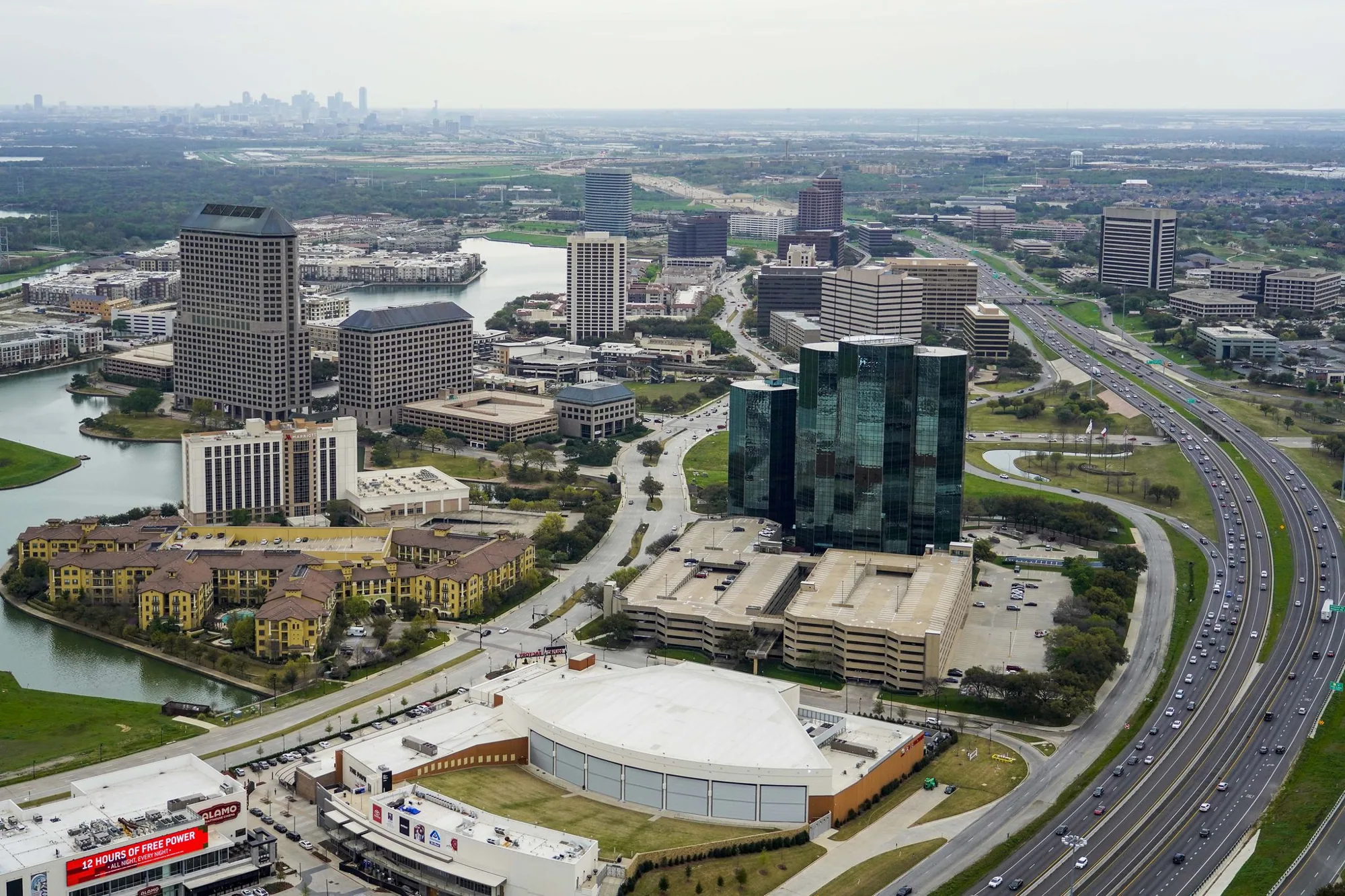
A reflective covering absorbs less solar energy than a darker surface with otherwise comparable conditions, changing the temperature reached by the exposed roof. Cool roof installation in Irving, TX, considers that response alongside insulation, attachment and the connections that keep rainfall outside. Commercial Roofing Irving compares the complete assembly so a surface selected for heat exposure also has suitable support, drainage and movement details.
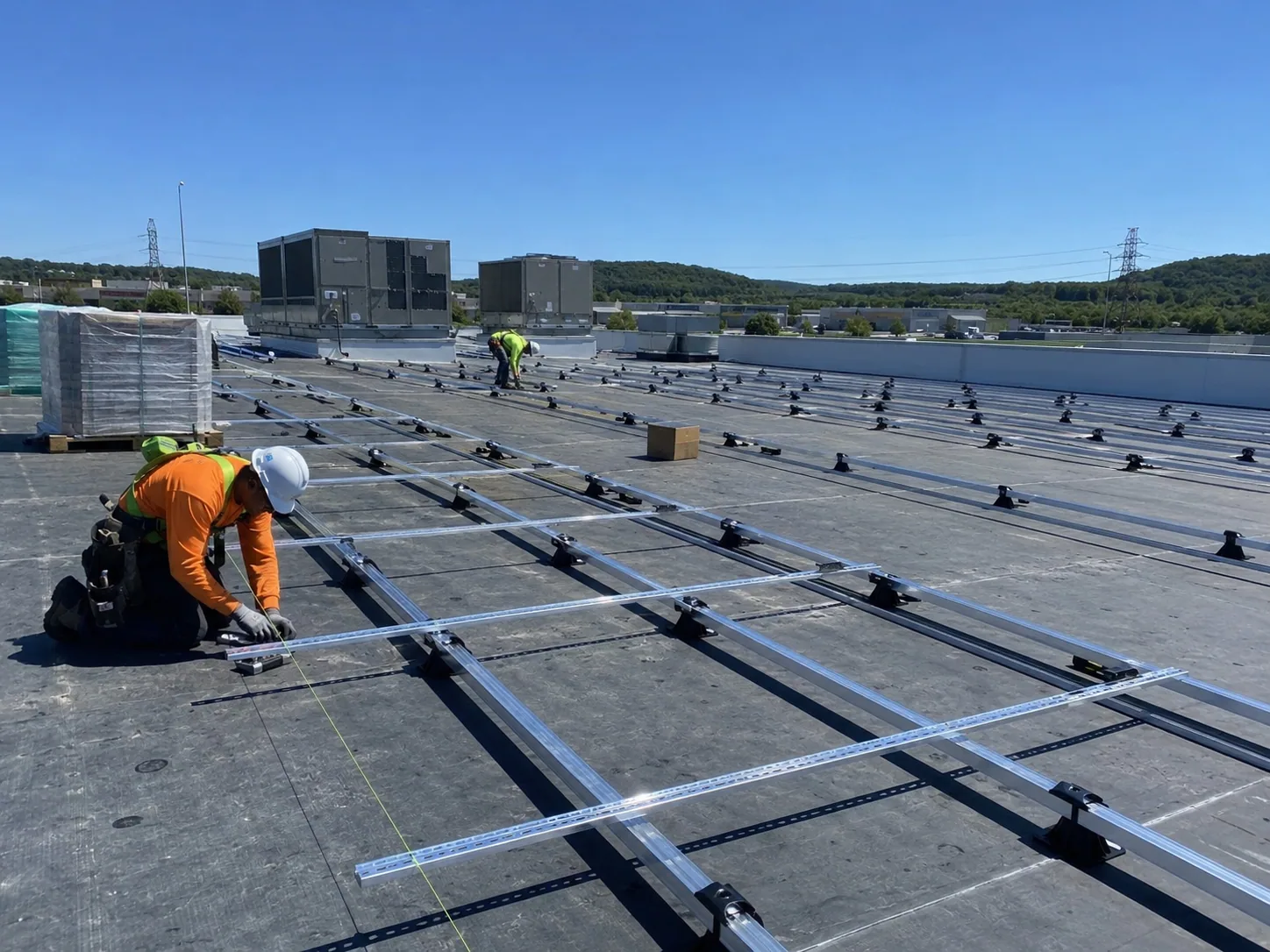
Dallas/Fort Worth regional climate normals put average July and August highs in the mid-nineties, reflecting the area's hot summer climate. Las Colinas office buildings and commercial uses along the North Irving Belt Line corridor therefore have a useful reason to examine solar exposure during a roof project. The effect on any building's energy use still depends on its construction and operations, so we assess those conditions rather than assigning an unsupported savings figure to a new finish.
What does reflectivity change at the exposed surface?
Solar reflectance expresses how much sunlight the covering sends back instead of absorbing. Thermal emittance describes another response: how effectively that surface gives off heat. Those properties affect surface temperature under particular conditions, but shade, wind and surface condition also influence the response. We compare the selected material's characteristics with the roof exposure and the intended assembly. A light appearance alone does not establish the product's performance or the building's resulting energy use.
Dirt and weathering can change the surface response during service. The roof therefore needs maintenance suited to the material, without cleaning methods that damage the covering or its connections. We discuss those needs with the selected system and keep them separate from the construction work required below. A reflective surface can be a useful choice, but it does not dry concealed wet insulation or restore a loose perimeter connection merely by reducing solar absorption.
Roof-mounted equipment can also change local exposure through shading, exhaust and service traffic. We examine those areas separately when evaluating the surface condition, because a weathered route beside equipment may need repair even while the surrounding reflective field remains serviceable. The care plan should account for those concentrated effects instead of judging the whole covering by its average appearance.
How much does the insulation below the surface matter?
Insulation reduces heat flow through the roof, while reflectivity changes the energy absorbed at its outer surface. Those are related but distinct functions. We examine existing insulation thickness, condition and continuity before choosing a cool roof assembly. Insulation and cover-board reconstruction may be necessary where wet or damaged layers no longer provide suitable support or thermal performance. The covering choice is then coordinated with those layers.
Irving's adopted 2024 IECC, IBC and IEBC with local amendments provide the code framework for applicable projects. We review the particular replacement or recover requirements within Irving, rather than transferring them to a neighboring municipality. Indoor temperature and humidity also affect assembly decisions, including whether condensation risk or air leakage needs further evaluation. A cooler exterior surface is considered within that whole temperature profile rather than treated as a substitute for suitable insulation and moisture control.
Which reflective covering fits the retained materials?
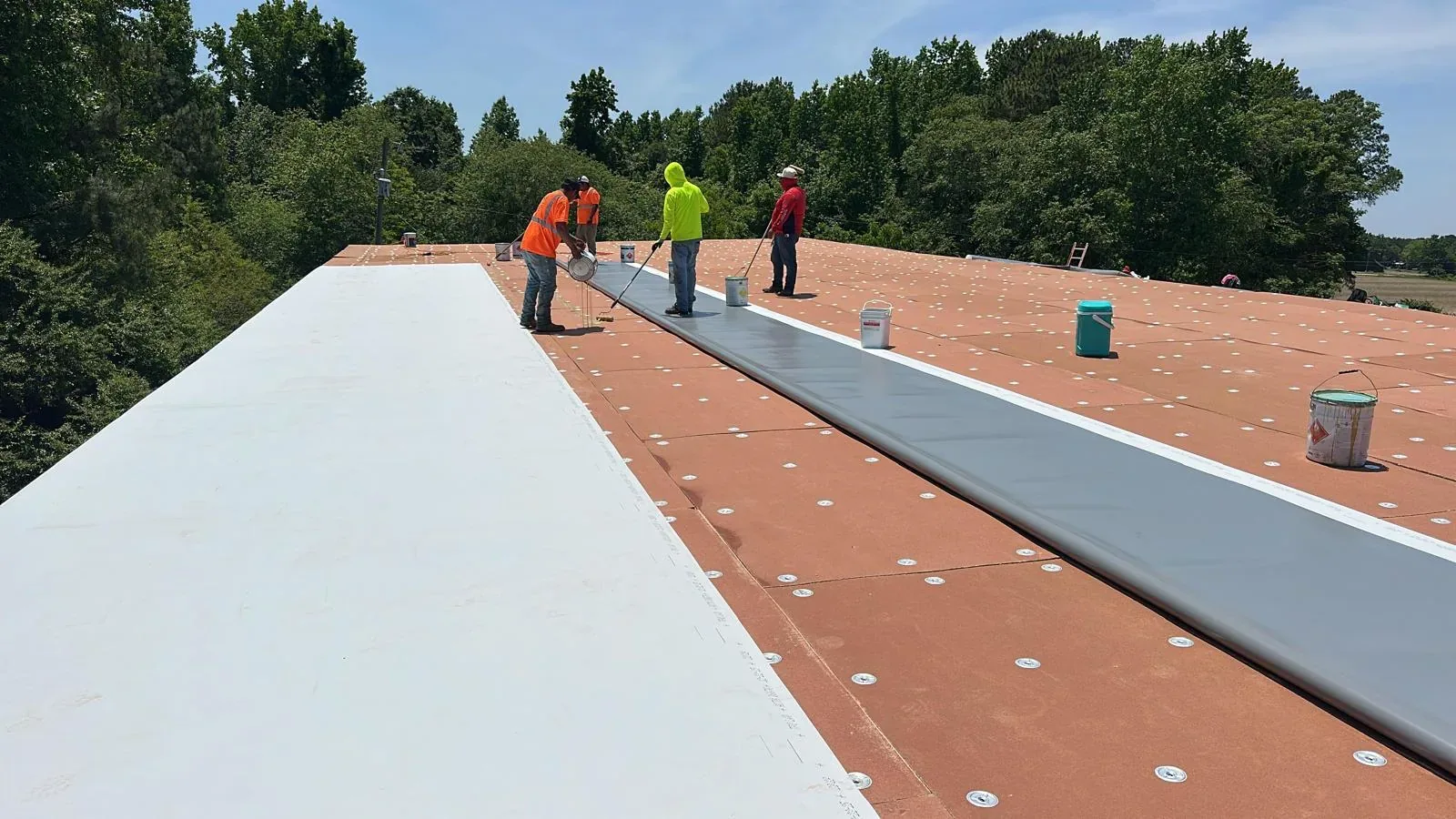
A reflective TPO roof can be installed as part of a suitable new or recover assembly, with welded connections and attachment selected for the deck and supporting layers. Other membrane or coating options have different compatibility and preparation requirements. We compare those interfaces and the roof's condition before selecting the surface. The chosen product must form continuous details at curbs, drains and perimeter transitions as well as across the field.
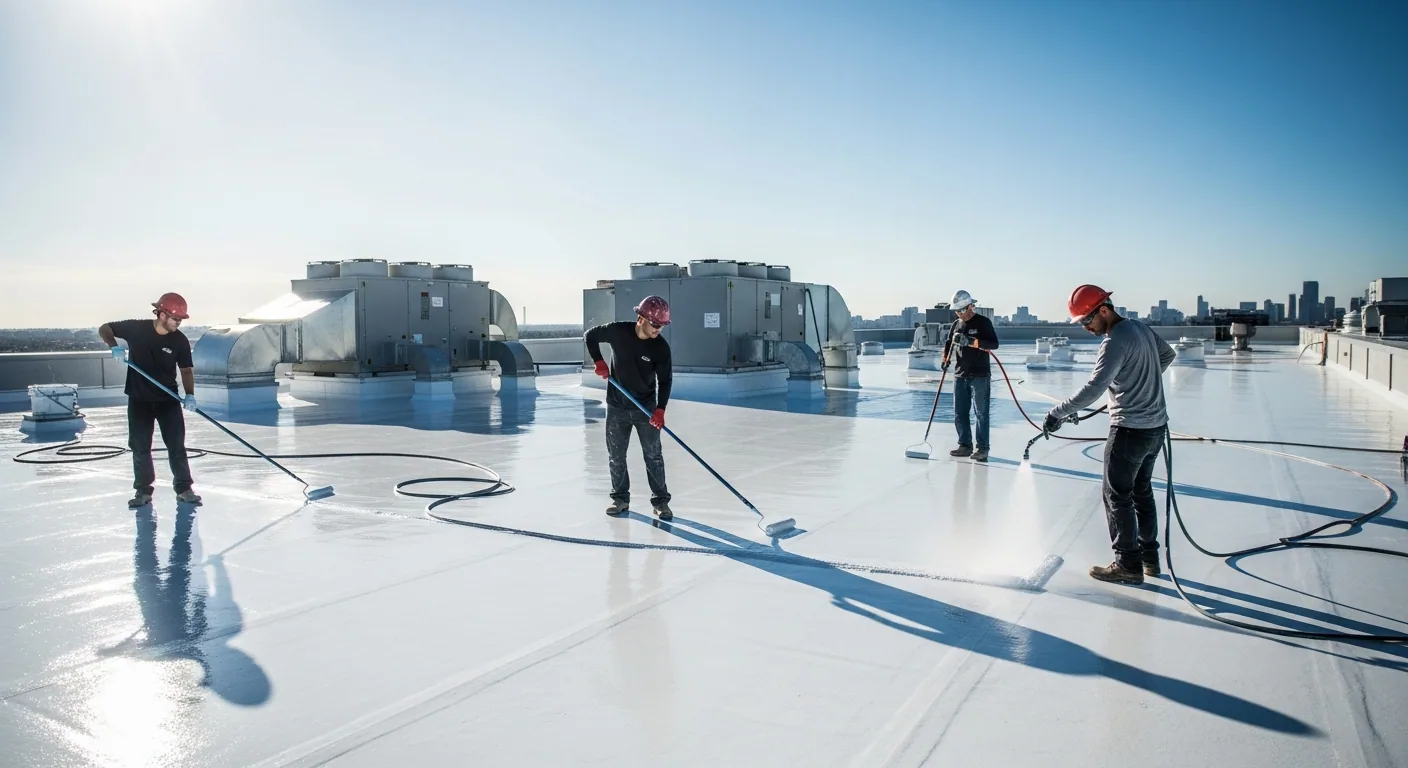
Silicone coating systems can provide a reflective surface where the existing roof is suitable for restoration. That suitability requires examination of moisture, adhesion and the condition of seams and flashing. A coating is not interchangeable with replacing a deteriorated assembly. We establish whether useful materials can remain and which repairs would be necessary before comparing restoration with a new membrane or broader removal.
Will lower surface temperature eliminate thermal movement?
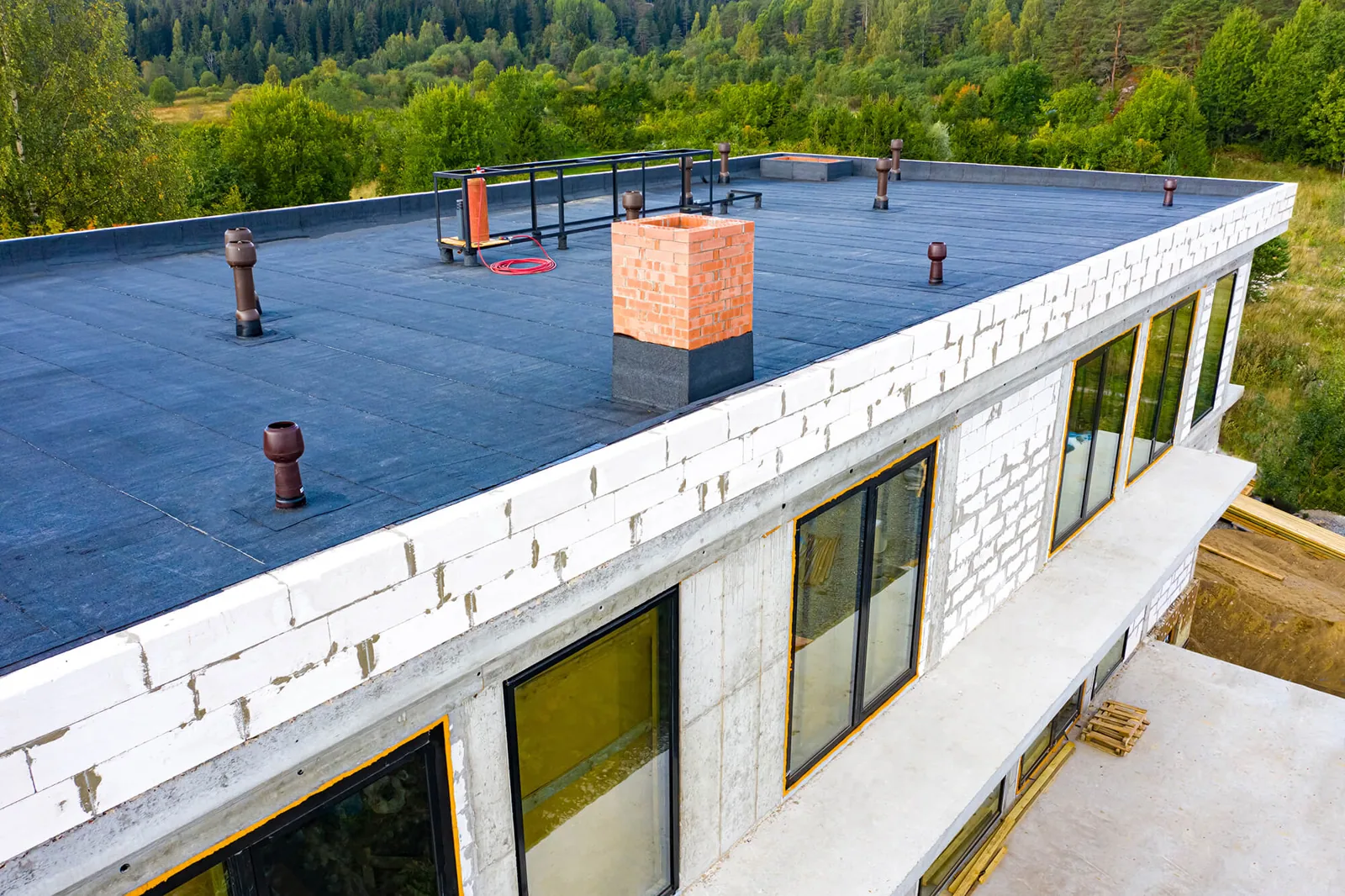
The membrane, deck, metal and equipment connections can still respond differently to changing temperatures. Details need suitable support and movement allowance regardless of the covering's reflectivity. We examine corners, terminations and movement joints as part of the assembly design, including whether earlier repairs have restrained a connection that should remain flexible. Heat-related roof deterioration is assessed for its actual material effect rather than assumed to disappear beneath a lighter finish.
Attachment also remains essential during storm exposure. We evaluate the substrate, fastening or adhesive method and perimeter connections for the selected system. A reflective membrane attached to unsuitable support can retain the same weakness as the covering it replaces. The comparison therefore includes deck condition, wet layers and the detail reconstruction needed to provide a dependable connection through the full assembly.
What should the installation comparison include?
Cost is driven by removal, retained-layer preparation, insulation, attachment and detail work, with the reflective surface considered as part of that assembly. We distinguish the alternatives so an owner can compare a new covering with coating restoration on the same condition basis. Where useful information about building operations is available, it can support an energy evaluation, but construction decisions should not rely on an invented percentage of savings.
For North Irving Belt Line commercial buildings, occupied entrances and equipment access affect staging and work timing. We plan preparation and installation for conditions suited to the selected materials, including bonding or cure needs. Drainage connections are examined before the roof is closed so improved surface response does not accompany a retained-water problem. The finished work preserves maintenance access to outlets, curbs and movement details.
Follow-up care examines surface condition as well as the connections that keep the assembly serviceable. Traffic, equipment work and debris can change the exposure or damage the covering. We identify suitable service routes and compatible repair methods so later maintenance does not undermine the installed system. The owner receives an assembly choice that can be assessed by its construction and care needs, not only by its color.
Commercial Roofing Questions
Can you estimate energy savings from roof color alone?
Building construction and operations are needed for a useful energy comparison. Insulation, indoor conditions, shading and equipment use affect the result along with surface properties. We explain the roofing options and the information needed for further evaluation. A reflective product can reduce solar absorption, but that characteristic alone does not support a specific savings figure for the property.
Will a reflective coating work over a wet roof?
Wet insulation and substrate condition require assessment before restoration. Where localized removal can produce a suitable retained assembly, coating may remain an option after reconstruction. Widespread moisture or poor adhesion can shift the comparison toward removal. The surface response of the coating does not replace the investigation needed to establish which layers can remain beneath it.
Does a cool roof need different flashing details?
The selected system's detail requirements still apply, with support, attachment and movement considered at each connection. Reflectivity changes solar absorption but does not eliminate transitions between rigid and flexible components. We select compatible materials and reconstruct unsuitable details during installation. Any changes in insulation thickness or covering arrangement are coordinated with curb heights, drains and perimeter terminations.
Can the existing roof be retained beneath a reflective membrane?
Recover suitability depends on the retained layers, moisture, attachment, structural capacity and applicable restrictions. We examine those conditions before comparing the option with removal. A suitable existing assembly can support the proposed covering only with the required preparation and detail changes. Choosing a reflective membrane does not make an otherwise unsuitable retained roof eligible for recover.
Ready to review the roof scope?
Request a Roof Assessment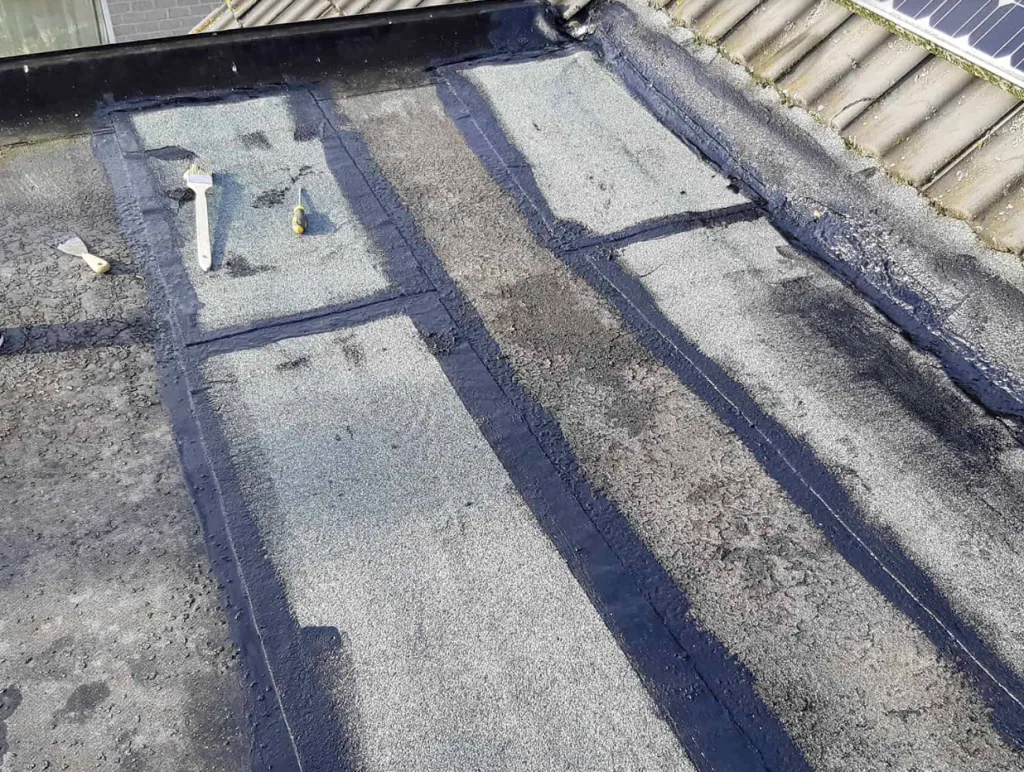
Commercial Roof Insulation and Cover Board
See scope, options and what to expect on the roof.
Commercial Heat and UV Roof Damage Repair
See scope, options and what to expect on the roof.