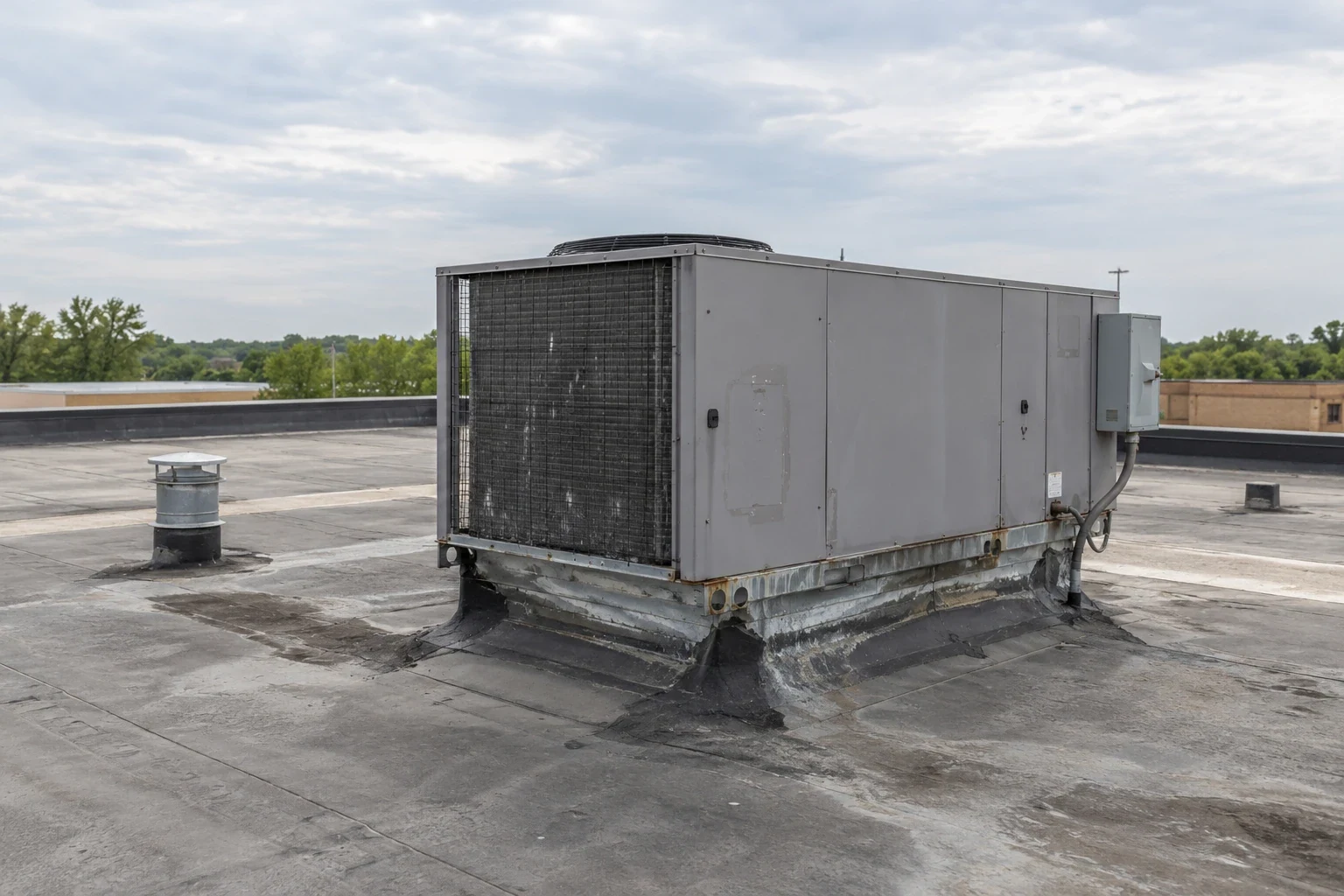
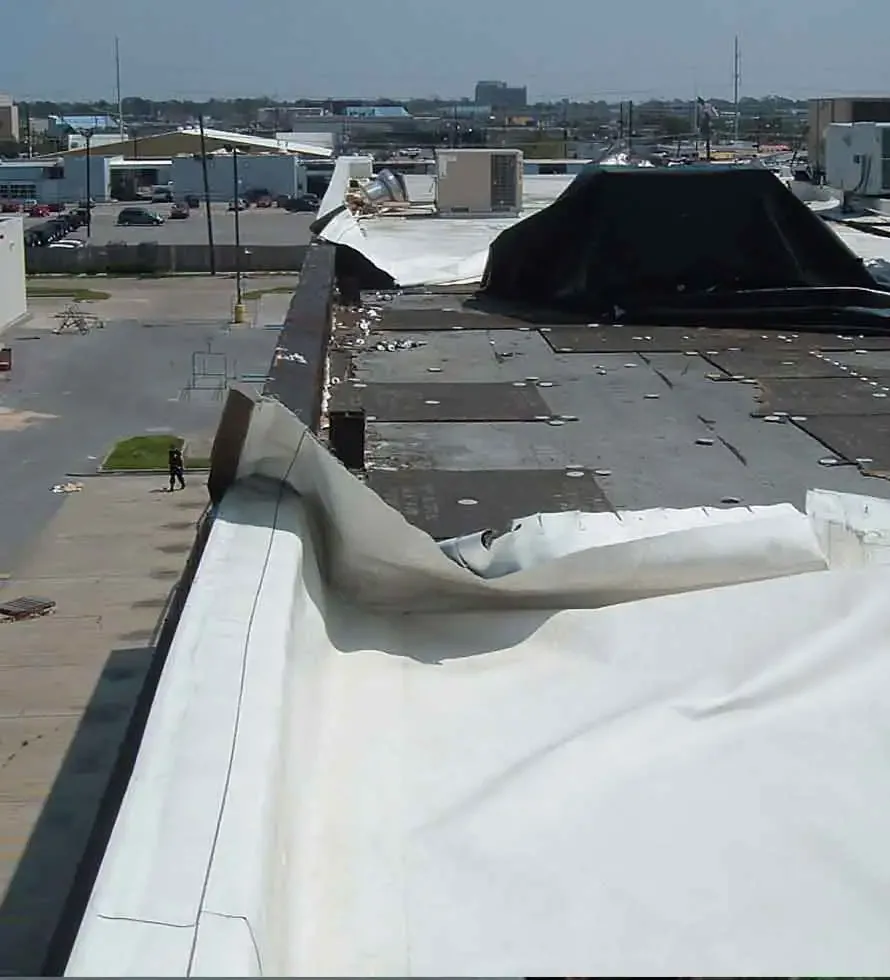
A school roof project has to fit between the building’s roof condition and the district’s calendar. Irving’s hot summers and wet seasonal periods affect how membrane work is staged, while Metroplex hail or damaging wind may lead to an inspection after a reported event. The regional pattern does not establish damage at a particular school. We inspect accessible materials, document the actual defects and identify the decisions needed before work enters areas used by students, staff or the public.
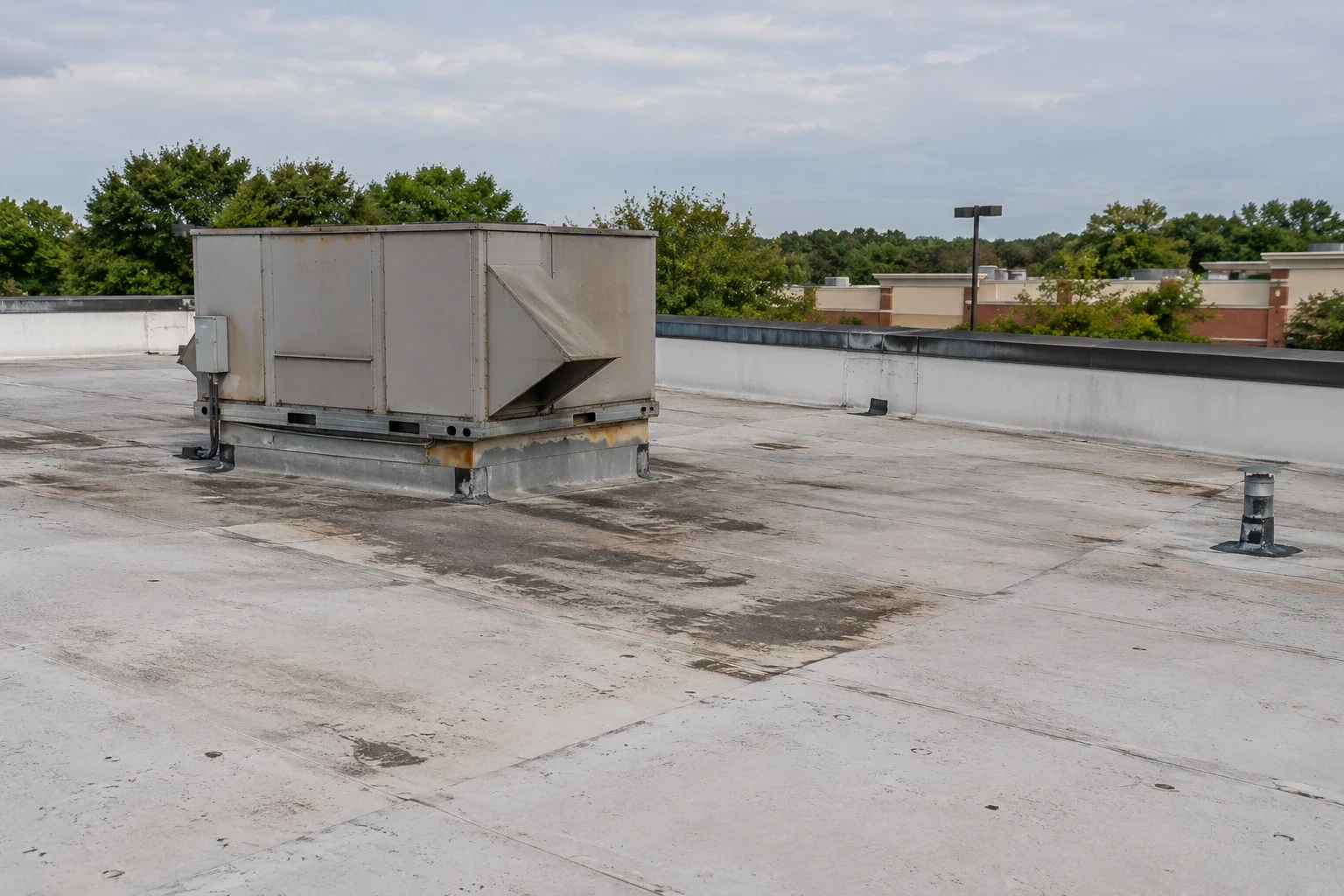
Public agency facility planning considers the actual campus and school calendar. Las Colinas includes educational, commercial, residential and retail uses, and Heritage Crossing includes Irving’s downtown corridor, and redevelopment extends into South Irving. Those place facts provide context for the market, not an inventory of district buildings or their roof assemblies. The facility representative supplies the campus access plan and school schedule; we connect those operating conditions with the observed roof detail and scope the work area accordingly.
How does the school calendar shape roof work?
A project scheduled during a break still needs safe access, material staging, noise planning and protection for spaces below the roof. The district identifies which buildings remain occupied, where summer programs or maintenance staff are active, and what areas require controlled entry. We map roof work to those constraints, coordinate deliveries and define when a completed area can be returned to normal use. If school activity continues nearby, the work boundary and pedestrian separation need to be clear before mobilization.
Urgent work cannot always wait for a quiet calendar period. An urgent leak still requires an orderly sequence. The district contact protects affected occupants and identifies temporary interior measures; our crew examines accessible roof conditions and specifies an interim exterior protection step before developing permanent repair. The record identifies who approved access and what follow-up opening or test is needed. The district retains control of room use, staff notifications and any campus closure. Our occupied-building reroof plan lays out phases for roof work above rooms that remain in use, with district staff responsible for building-side access and activity changes.
What should a school roof inspection record?
An inspection should identify the roof section, visible membrane or metal condition, drainage, penetrations, previous repairs and interior report that prompted the visit. A stain in a classroom or corridor helps focus attention but does not by itself identify the exterior entry point. Water may move across layers before appearing indoors. We compare timing and location with accessible seams, drains and equipment details, then document what was examined and where access was limited.
When the surface issue appears contained and surrounding materials can accept compatible preparation, a targeted repair may be suitable. If the assembly suggests wet insulation, failed attachment or broader deterioration, further investigation may be needed before choosing between repair, recover and replacement. Our school roof inspection records those findings and photographs in a usable report. Where a moisture survey or selective opening would change the district’s decision, the report states the question that examination should answer.
How are roof access and student safety coordinated?
The district sets the rules for entering occupied schools, checking in with staff, securing work areas and protecting students or visitors. The roofing plan describes crew access, ladder or lift locations, material delivery, debris control and any roof opening that requires temporary protection. The district’s designated official authorizes building-side restrictions and communicates changes to school operations. We do not assume that an empty classroom means the roof above it or the surrounding campus is available without coordination.
Construction trade coordination matters where air intakes, exhausts, roof hatches and equipment may create additional constraints. We identify the affected units and confirm whether their service provider must attend or approve a shutdown. Where work changes a penetration or curb, the permanent flashing detail is coordinated before material installation. Rooftop equipment transitions address the waterproofing portion, with mechanical, structural and electrical work retained by the responsible participants.
What does local weather mean for the work window?
The weather office records hail, damaging wind and tornadoes across the Dallas-Fort Worth region, but a regional hazard does not confirm damage at one school. In the work file, we separate weather context from roof findings: note the reported date, photograph observed impact, and examine edge restraint, flashings, membrane field and drainage. This keeps the district’s event record tied to what the inspection confirms. Roof work must therefore be phased with current conditions and a plan to protect any opened assembly. Sun and heat can affect material handling and crew timing; rain risk can shorten the safe exposure window. We set daily boundaries around the selected system and the forecast rather than promise a fixed duration detached from the site.
Following a storm report, we inspect the school roof for observable impacts and separate new damage from prior wear or unrelated maintenance needs. A hail roof assessment identifies the affected material and repair options where findings support them. If an insurance file is needed, we document the conditions and work without assuming that every rooftop object or membrane field sustained damage. The district’s own incident records remain separate from the roofing observations.
What should the district receive when work is done?
At closeout, the district should have a record of the work area, materials installed, preparation, photographs and any conditions left for attention. If hidden damage changed an approved quantity, the documentation should show what was exposed and who authorized the additional work. The project file can connect that roof record to a building maintenance request while preserving which areas were actually inspected. That makes the next roof review more useful than a ticket marked complete without a location or repair detail.
Irving’s permit requirements cover commercial construction, additions and remodeling, with most applications receiving review by relevant city departments. A school roof project’s actual approval path depends on whether the scope is repair or alteration and what work is included. The district and its design professionals confirm the applicable requirements before procurement. For district facilities located in or near Las Colinas and Heritage Crossing, place context may help coordinate access, but the site’s verified address and campus rules govern the actual work.
Commercial Roofing Questions
Can roofing work happen while students are on campus?
The district’s safety rules, school schedule, roof location and work method determine whether a phase can proceed. We define the roofing boundary, material routes and protection needed below, then coordinate with the district’s authorized contact. District staff control student movement, access restrictions and any change to school operations.
Does a ceiling stain show which part of the roof needs repair?
It identifies a reported interior location, but water can travel before it appears. We compare the timing with accessible seams, drains, penetrations and equipment, then document what the inspection establishes. If the assembly hides the path, we identify a suitable next examination rather than treating the stain as a measured repair boundary.
How should a district compare a patch with a larger reroof?
A sound comparison needs the observed assembly, repair footprint, surrounding condition, moisture evidence and preparation required for each option. A contained repair may suit a compatible boundary; wider confirmed deterioration can change the scope. We state assumptions and additional investigation needed before the district relies on a broad quantity.
What should happen after hail is reported near an Irving school?
A report can prompt an inspection, but regional weather alone does not establish damage at the campus. We examine the subject roof for observable effects, document access limits and separate event-related findings from existing wear. If damage supports work, the scope identifies the affected area and next steps.
Who coordinates equipment shutdowns for roof work?
For equipment shutdowns, district facilities contact and equipment service provider identify units that may be affected and approve any operating change. We coordinate the roof-side flashing or curb work in the agreed sequence. Mechanical, electrical and structural decisions remain with the responsible qualified parties.
Ready to review the roof scope?
Request a Roof Assessment

Commercial Roofing Coordination for General Contractors
See scope, options and what to expect on the roof.