Cold fronts can leave a roof with frozen drains or a short-lived snow layer even though measurable snow is infrequent across many Dallas/Fort Worth winters. That regional climate evidence is not a load or damage finding for an individual building in Irving, TX. Commercial Roofing Irving checks actual accumulation, drainage and the roof's support before recommending removal, temporary protection or permanent repair.
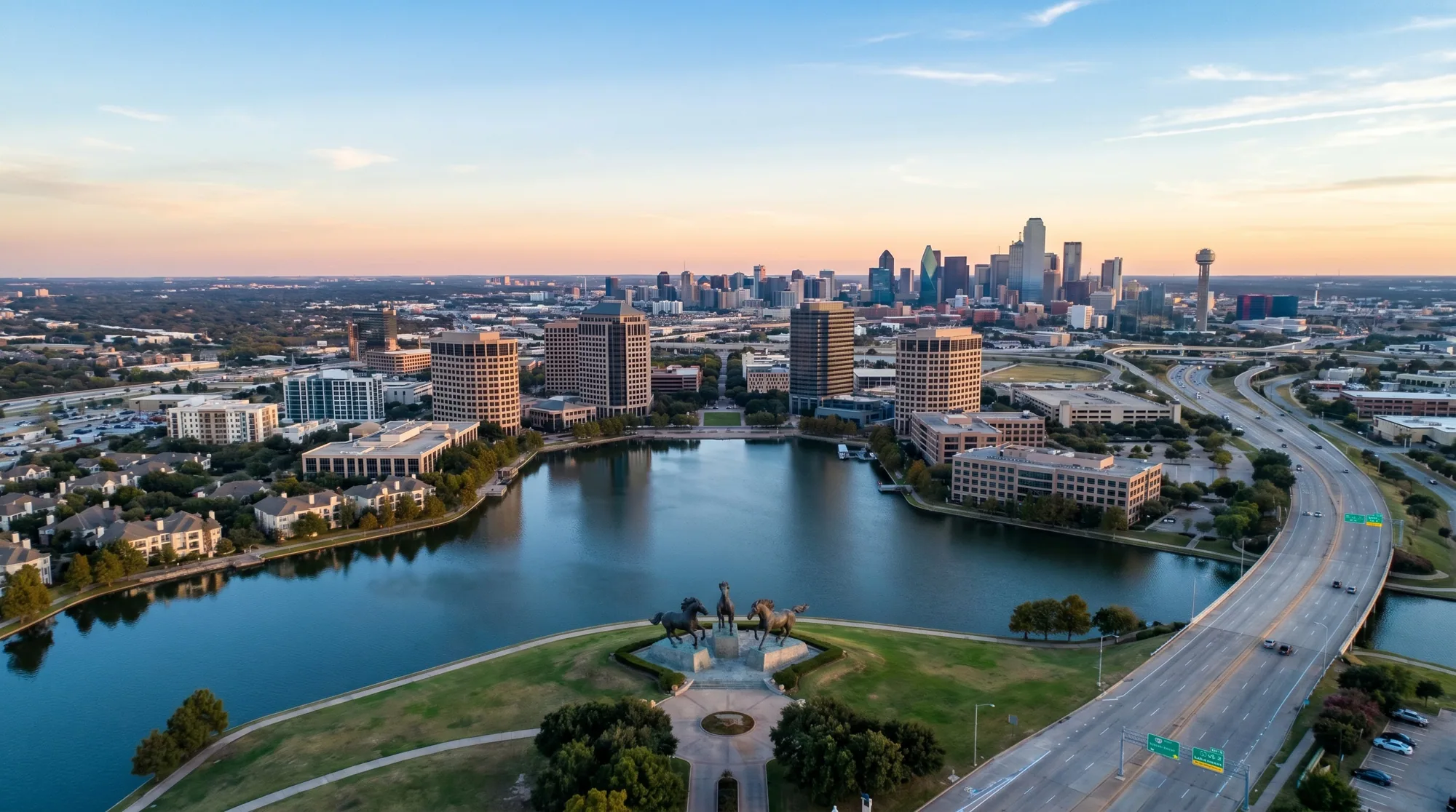
Las Colinas includes offices and multifamily buildings, while Heritage Crossing includes older downtown commercial settings and redevelopment. The owner may need to keep entrances and occupied areas clear while a roof condition is evaluated. We look at how water moved before freezing, whether an outlet remains open and if a seam or flashing changed during the cold period.
Where did snow or ice concentrate?
Snow depth can vary across a roof because of parapets, equipment, wind exposure and changes in elevation. We do not estimate structural capacity from appearance. If accumulation raises a load concern, the building's structural professional needs to evaluate the roof and direct any removal plan. Our roof assessment can document the covering, drains, visible deflection and access conditions for that coordination. Safe access and the building's instructions govern whether anyone can approach the roof.
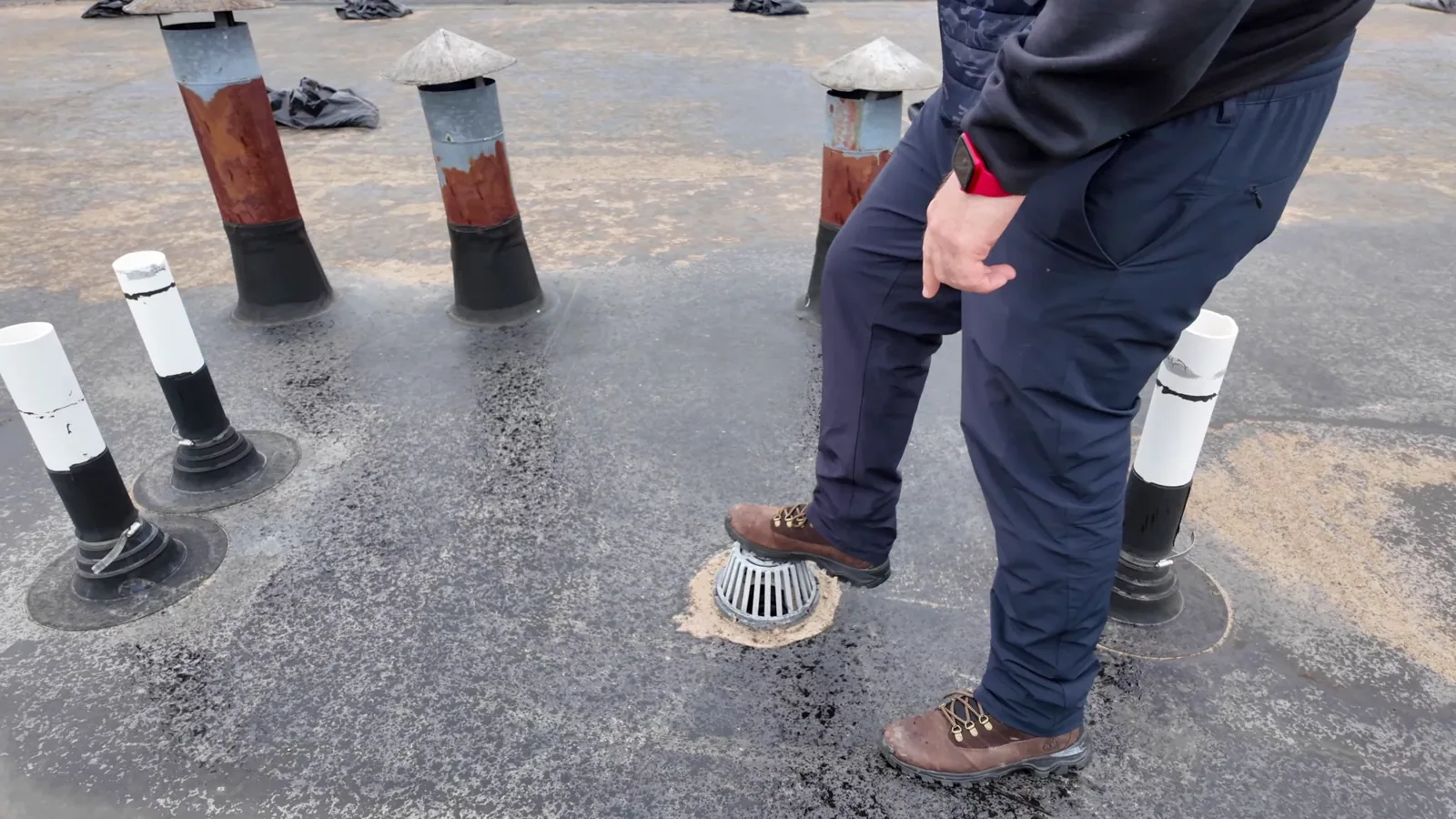
Ice can collect at drains, scuppers or edges where meltwater refreezes. We inspect the water path and look for a blocked outlet, damaged flange or surface depression. Ponding-water assessment can address a low area that retains runoff after thaw, while drain repair addresses a failed outlet connection. Clearing ice without checking the surrounding membrane may leave the same obstruction or damage in place.
Did freezing change a seam or flashing?
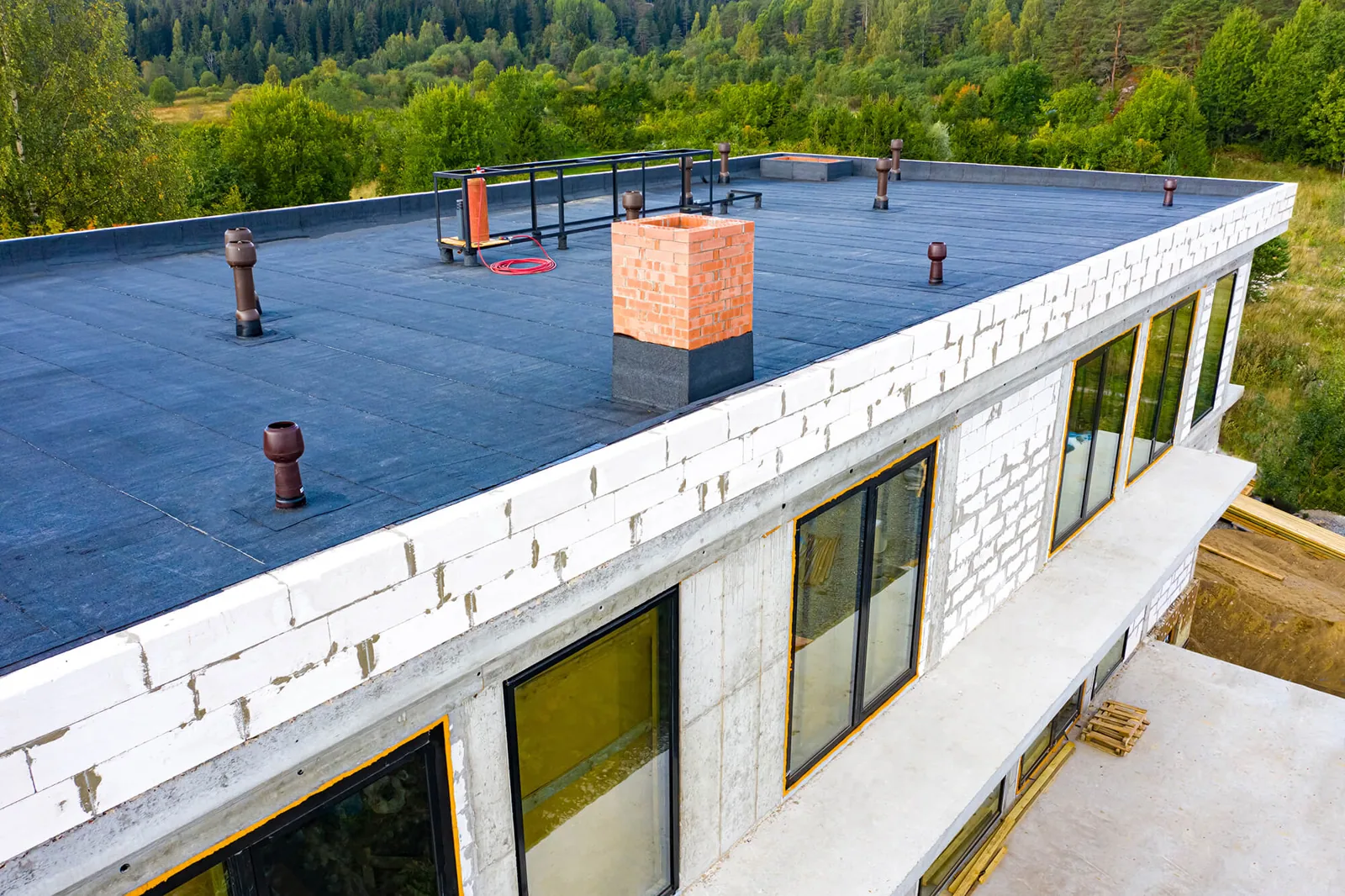
Water in a split lap, open curb corner or damaged penetration can freeze and expand, placing additional stress on the connection. We inspect the detail after conditions allow safe access and check whether the material remains flexible and suitable for repair. A sealant bead can become brittle or separate, but the underlying cause may be a moving joint or a failed termination. Flashing repair follows the actual transition, with compatible material selected for the roof system.
Metal panels can move during temperature changes, while fasteners and clips transfer force to the deck. We check panel seams and closures for displacement rather than assuming that cold weather caused every opening. If wind also moved a termination, wind-related roof movement may be part of the scope. Each observed condition is documented separately so the permanent correction reflects the connection that failed.
What happens when frozen runoff thaws?
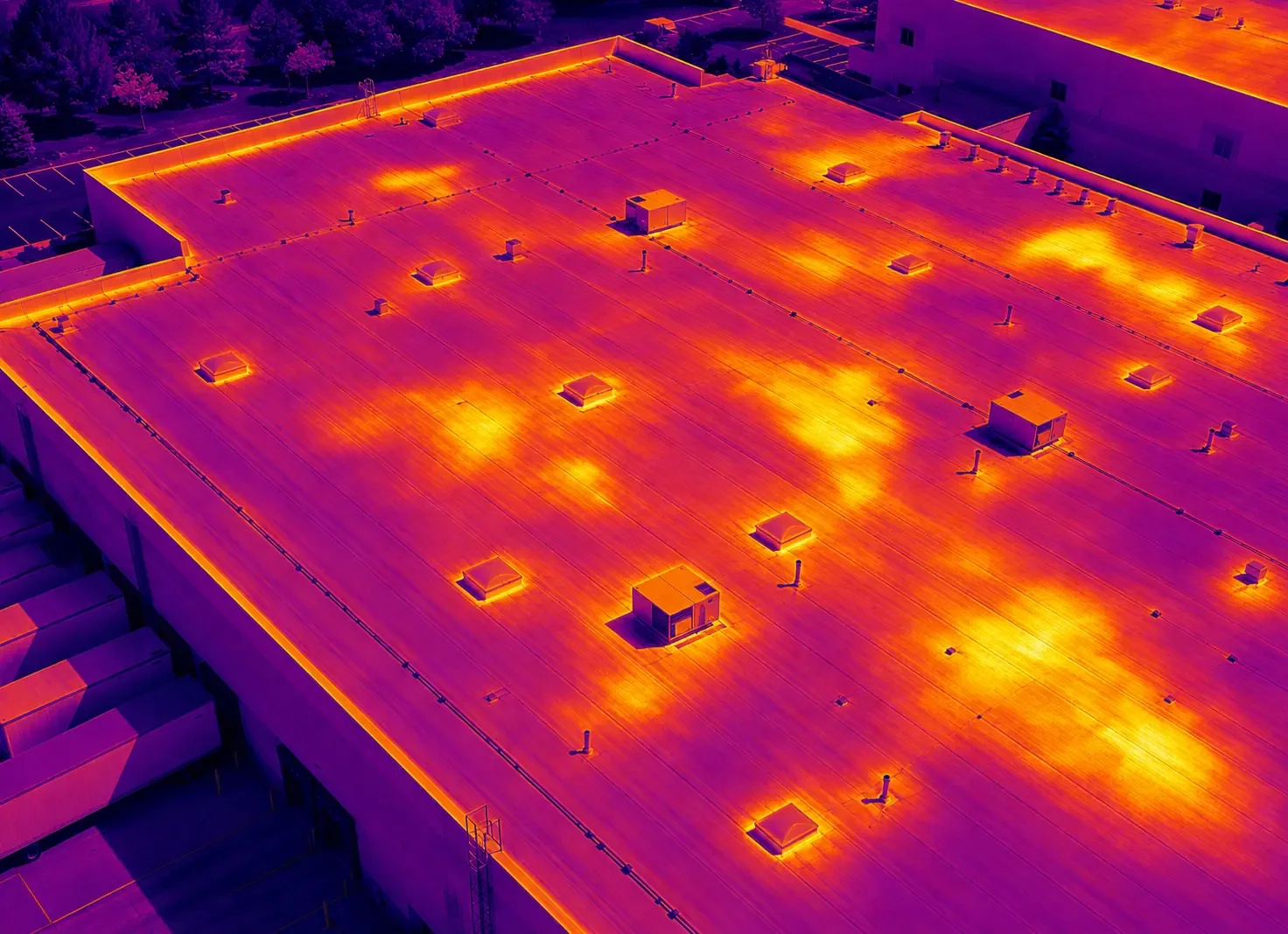
During thaw, water can collect behind debris or move beneath a compromised covering. We compare the reported interior leak with drains, low points, parapets and penetrations. Water may travel laterally before appearing below, so an interior stain does not define the removal boundary. Where suitable thermal contrast exists, an infrared moisture survey can direct selective checks. Openings confirm whether insulation is wet or whether the leak path remains at a detail.
If an outlet is blocked by ice, we assess how runoff can leave the roof safely and whether temporary measures are appropriate. We avoid methods that could puncture a membrane or damage a drain body. Once conditions permit permanent work, wet insulation is removed to a stable boundary and the outlet transition is rebuilt. Drainage correction may include slope changes when the surface holds water after the ice clears, not only removal of frozen material.
Can the roof system tolerate the repair conditions?
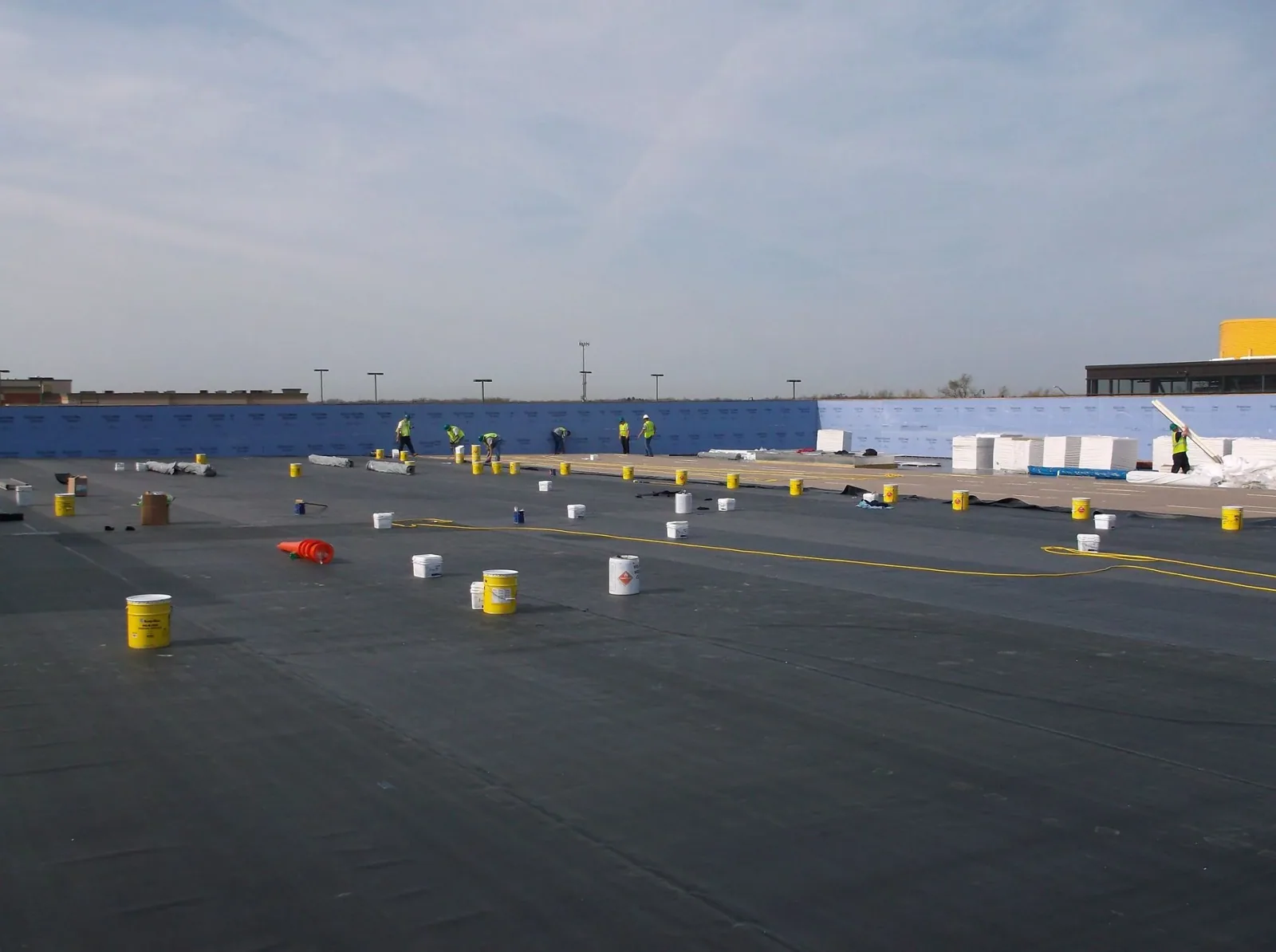
Membrane welding, adhesives and coatings have application conditions that affect preparation and bond. A surface that is wet, cold or covered by frost may not accept the intended repair. We protect an opening while waiting for suitable conditions, then verify that the materials can be prepared as specified. The repair method reflects whether the roof is single-ply, modified bitumen or metal, and whether the existing surface remains suitable to retain.
A patch should connect to dry, sound material and include support beneath the sheet. If insulation is compressed or wet, new membrane alone cannot restore the roof's condition. We assess removal and replacement with direct roof inspection, then compare a contained detail correction with a broader scope where conditions extend beyond the visible opening. Emergency cover can protect the building, but it remains distinct from the permanent repair.
How can a cold-weather response protect building use?
For Las Colinas office and residential properties, snow or ice response has to consider occupied entrances, equipment access and safe routes. In Heritage Crossing commercial settings, older downtown spaces and redevelopment can present different staging and access conditions. We coordinate with the owner, property staff and appropriate safety professionals before moving materials or opening roof layers. Work proceeds only where roof and weather conditions permit a safe method.
If water is entering, emergency roof protection may reduce additional exposure while the permanent correction waits for suitable materials and temperatures. We record temporary measures, observed drainage and any access restriction. Once work is possible, the plan sequences removal, substrate repair and closure so no exposed area is left without protection. Photographs and condition findings show the repair boundary and what remains for later observation.
When is a roof repair urgent after the thaw?
Active leakage, a displaced edge or a damaged outlet can need prompt evaluation, even after the visible ice has melted. We inspect for a persistent opening and wet materials, then distinguish emergency protection from permanent reconstruction. A roof that remains closed and drains normally may need observation rather than an immediate repair, depending on what the examination finds. Structural concerns or visible deflection call for the building professional responsible for load assessment.
Cost and timing depend on the material condition, access, removal needed and the weather window for installation. We explain any delay caused by unsafe access or unsuitable bonding conditions and identify what can be protected in the meantime. The final scope records drainage, seams and support separately, making later maintenance more useful. Request an Irving snow or ice roof assessment after safe access is available when an outlet froze, water entered or a connection changed.
Commercial Roofing Questions
Is snow load likely on every commercial roof in Irving?
Regional winters often have little or no measurable snow, but conditions at a roof can differ during a particular event. We do not infer structural capacity from climate averages. If accumulation or deflection raises a concern, the building's structural professional must direct evaluation. Our inspection can document visible roof conditions and access limits for that review.
Should ice be chipped away from a commercial drain?
A tool can puncture the membrane, deform a drain or damage its flashing. We assess safe access and the outlet configuration before choosing a way to restore discharge. Where structural or electrical risks are present, the appropriate building personnel must be involved. The goal is to reopen the water path without creating a second roof defect.
Can a cold-weather patch be permanent?
Only if the material and installation conditions support the required bond, weld or attachment. Wet or frozen surfaces can prevent suitable preparation. We protect the opening when needed, then schedule the permanent repair once the roof is dry and conditions fit the system. The scope identifies any temporary work separately.
Why does a leak appear after the ice is gone?
Thaw can release water trapped above a seam, in insulation or behind a curb. We trace the report against roof slope and details, then open layers where evidence points to concealed moisture. The interior location can be separated from the actual entry route. Repair follows the confirmed damage and drainage condition.
Ready to review the roof scope?
Request a Roof Assessment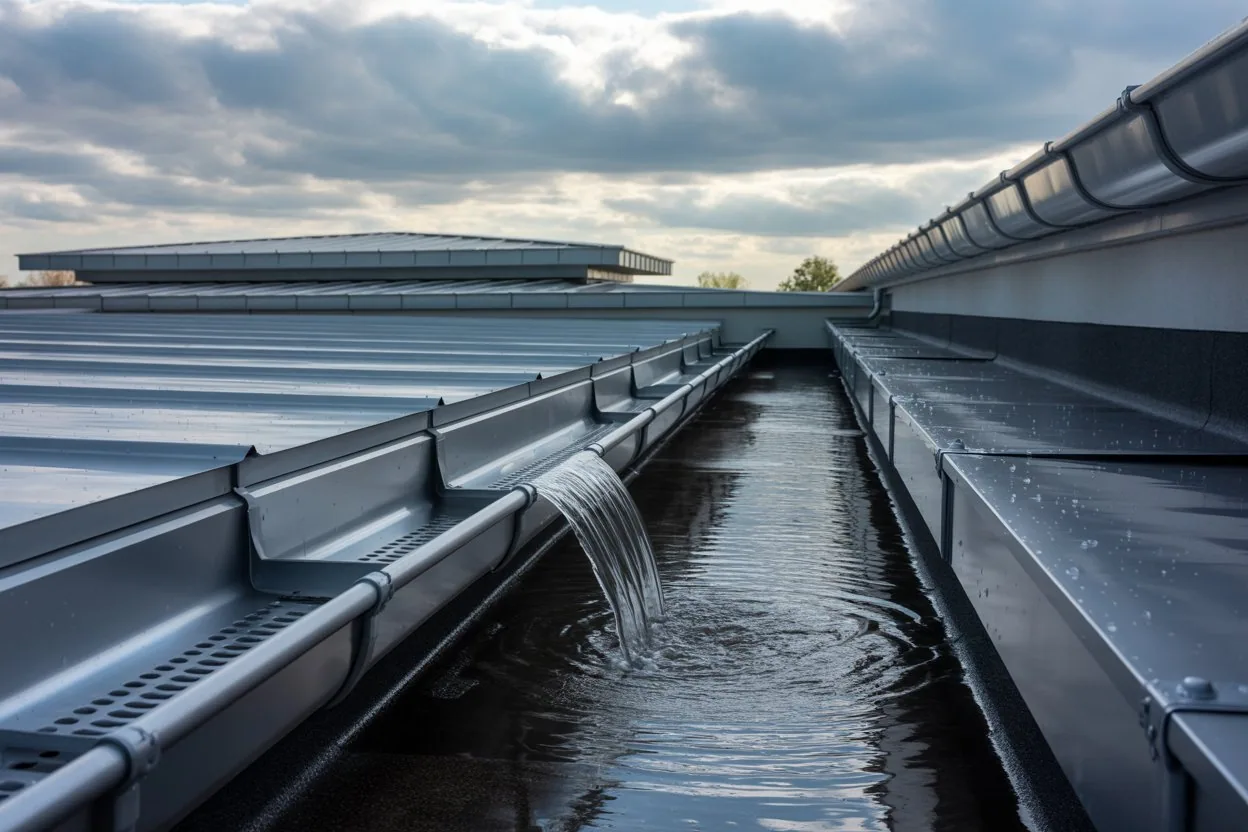
Commercial Roof Flashing Failure Repair
See scope, options and what to expect on the roof.