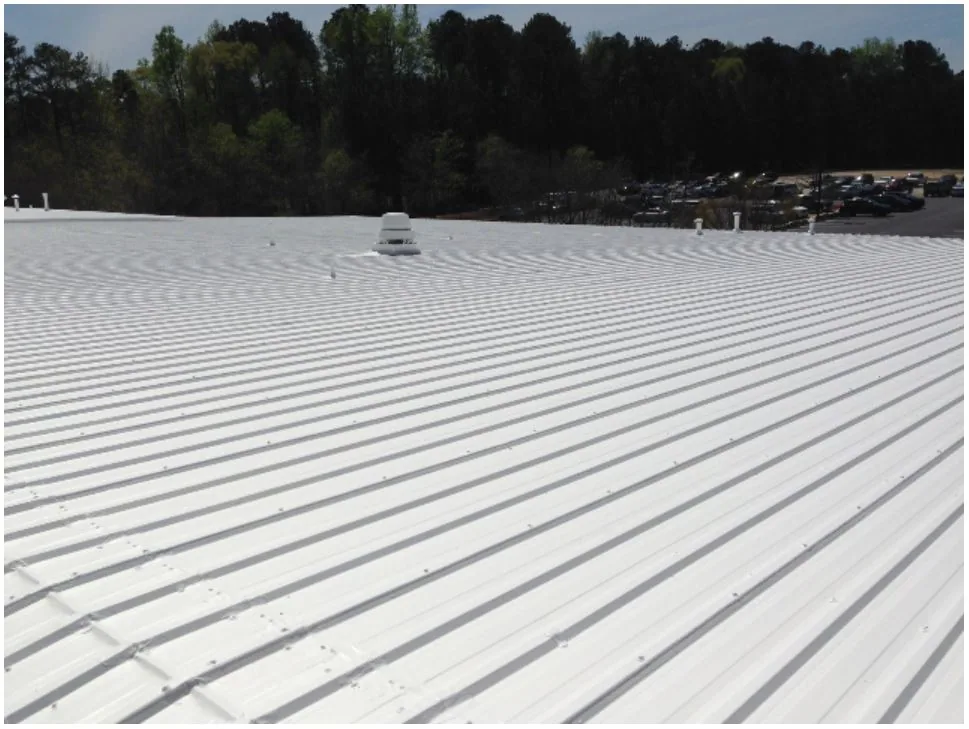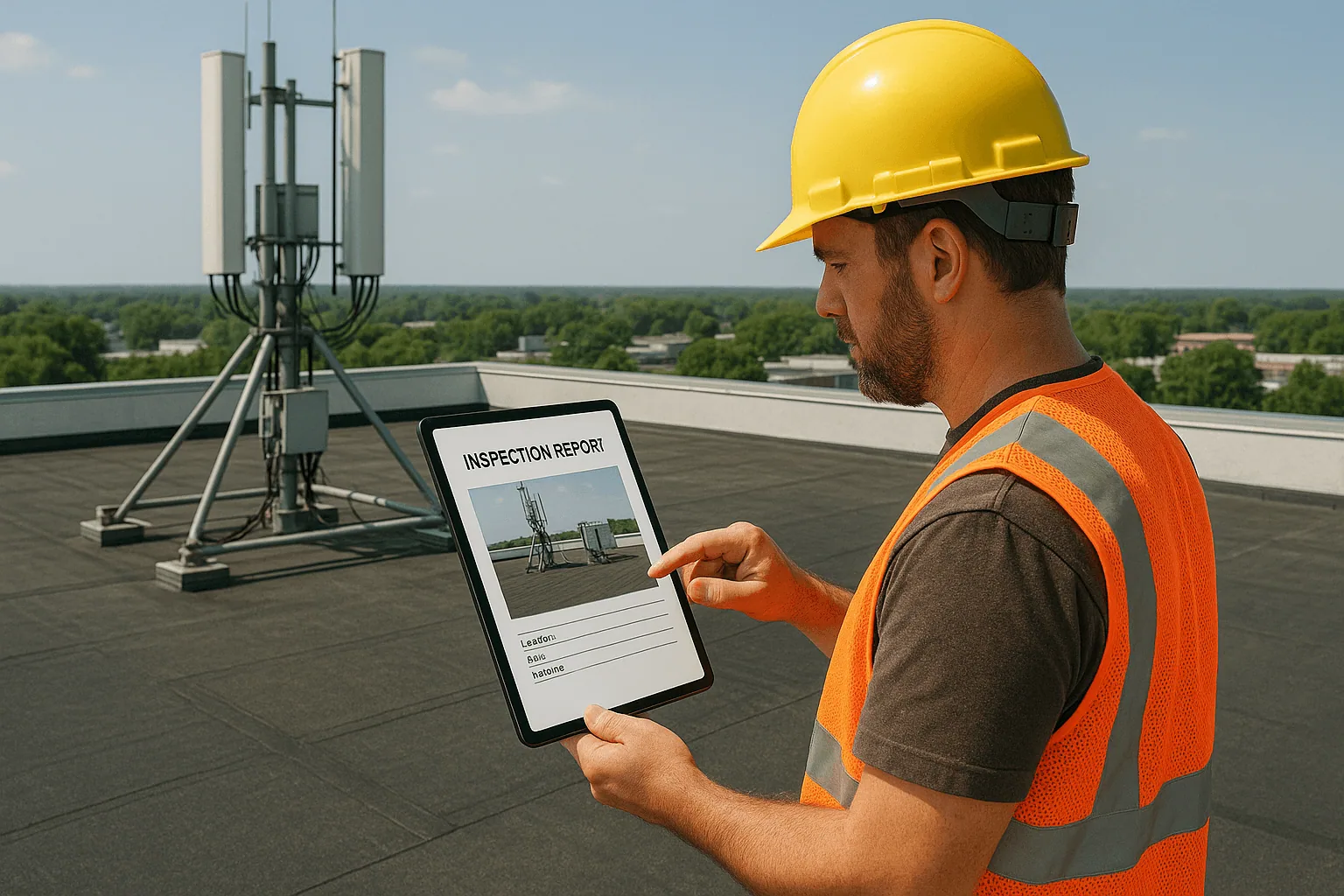
Water entry that occurs only in wind-driven rain can escape an examination made during dry weather unless the survey also considers the roof detail and its reported history. For a buyer assessing property in Irving, TX, that distinction affects the information available before the transaction: a dry surface is an observation, while the condition of a suspect connection remains a question requiring examination. Commercial Roofing Irving identifies those questions within an agreed due-diligence scope.
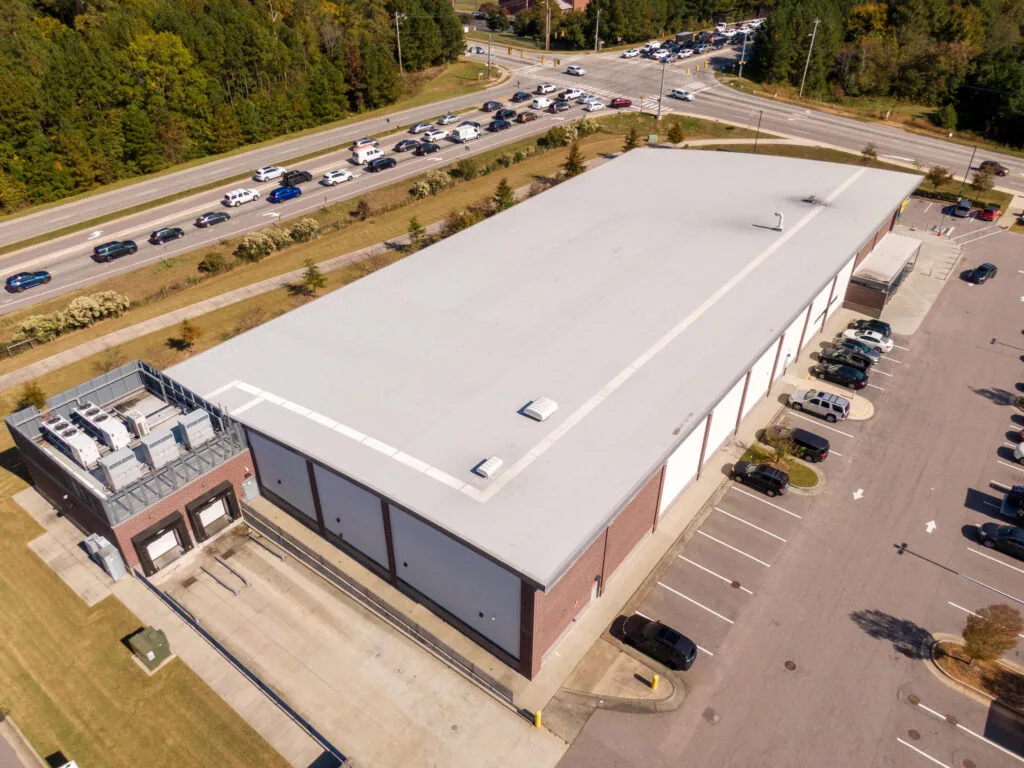
Dallas/Fort Worth receives severe storms and wetter spring and fall periods. We use that regional context to choose useful investigation methods, without assigning a regional event to an individual roof. An office property in Las Colinas Urban Center and a commercial property near SH 183 can also present different access arrangements. The survey connects the actual assembly and accessible condition with corrective-work options and the information still needed for a firmer conclusion.
Which transaction question needs a roof answer?
An acquisition survey can help examine condition, likely corrective work and construction constraints, but its scope needs to be established before the visit. We discuss the roof areas to be reached, available records and permission for any opening or testing. A short visual visit differs from an examination that can expose concealed layers. The report should identify that difference so the buyer can judge the findings against the decision being made.
A defined inspection scope also identifies the access needed inside the building. Leak reports, equipment locations and roof drawings can help direct the examination. Where access is restricted by a tenant or seller, we describe the unexamined area and the arrangement needed to complete it. A transaction deadline does not make concealed construction known; it makes the unresolved question more important to retain in the assessment.
What remains uncertain beneath the visible covering?
The survey distinguishes accessible material identification from concealed construction. An edge or earlier opening may reveal a layer sequence, while another roof section can have a different assembly. We examine transitions, additions and previous repair areas rather than assigning one observed construction to the whole building. Installation records can assist, but an unconfirmed description should remain separate from the layers actually observed.
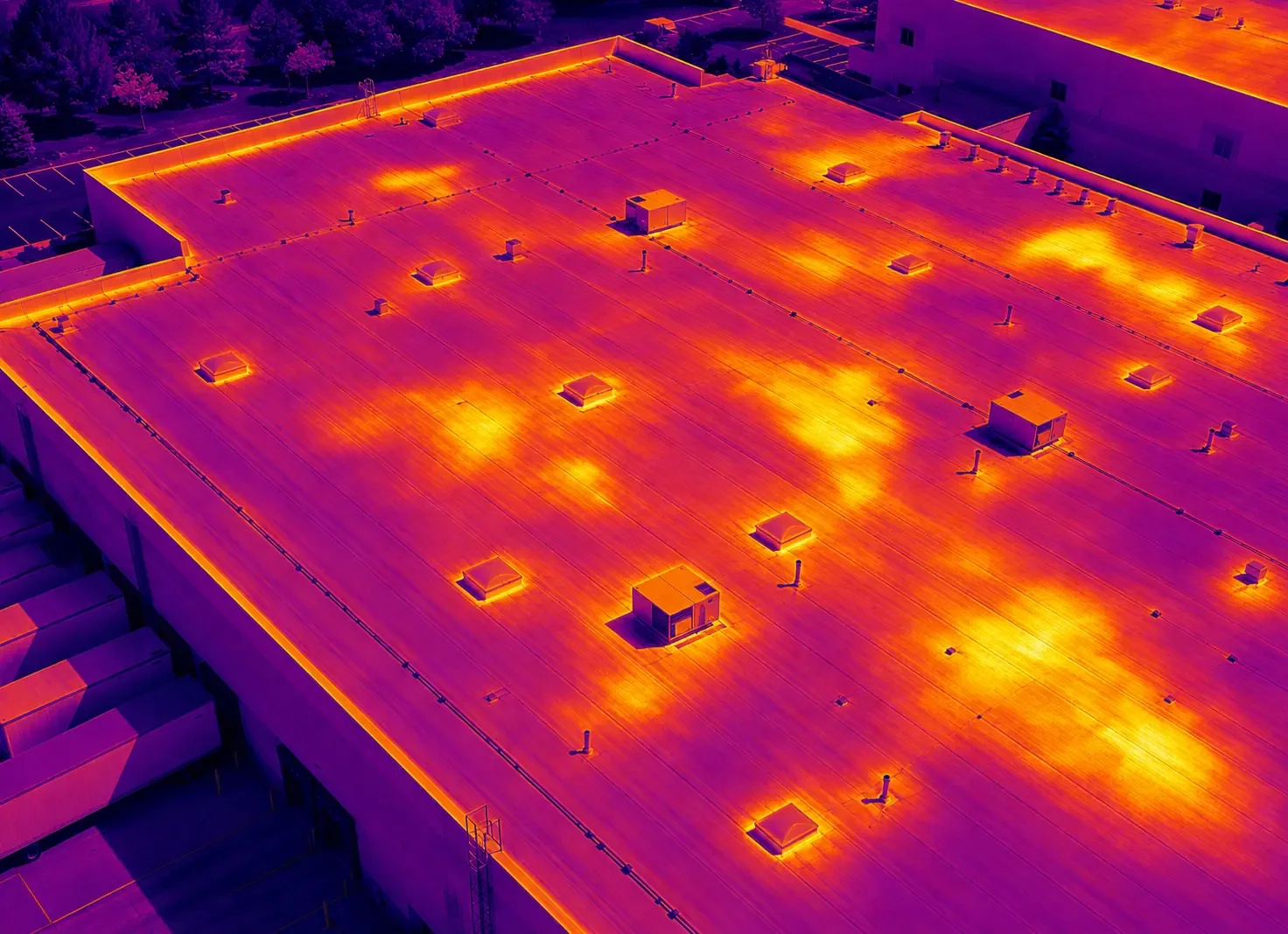
A proposed KEE membrane assembly needs suitable supporting material and compatible connections, just as another system does. During acquisition review, the important question may be whether the existing substrate could support a future repair or recover, rather than which new membrane the buyer prefers. We identify the accessible evidence and the test needed where concealed moisture or attachment would change that option. A targeted moisture survey can help direct confirmation where the roof and conditions suit it.
How should earlier leaks and repairs affect the survey?
Reported leakage needs a location, timing and description of any work that followed it. We compare that account with roof geometry, accessible details and interior evidence where access allows. A patch can indicate a repaired defect, but it does not establish that all wet material was removed or that another connection remained sound. We examine the repair's boundary and distinguish a confirmed result from an account that still needs verification.
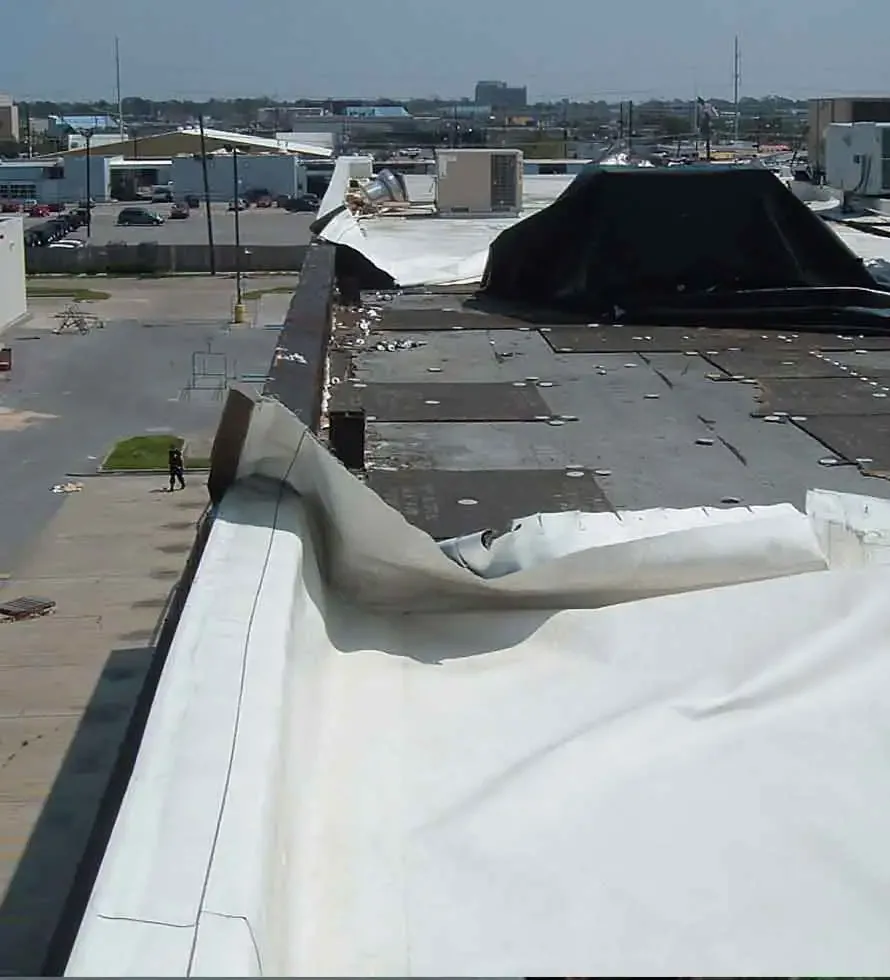
Evidence of wind-related connection damage can raise questions about attachment and the surrounding assembly. A loose edge, an opened lap and damaged equipment require different examination. We explain the observed condition and the investigation that would clarify its extent. The buyer can then distinguish a contained repair allowance from uncertainty that could affect a wider replacement decision. Neither a storm account nor a repaired ceiling substitutes for examining the roof mechanism involved.
What belongs in the corrective-work comparison?
A useful scope separates immediate protection, permanent repair and further investigation. We identify suitable retained material where it is established and explain the condition that could expand removal. Wet insulation, deteriorated deck support or inadequate flashing height can change a repair into a more involved construction package. Those differences matter before the buyer relies on a budget that includes only a new covering.
The roof capital comparison can describe repair, sectional replacement and wider removal on consistent assumptions. Access, disposal, drainage and equipment transitions belong beside the membrane work. Known findings receive a defined response; inaccessible construction remains an identified uncertainty. We explain the examination that would narrow that uncertainty and avoid treating a planning allowance as a price for unobserved damage. The transaction team can review the roofing implications alongside its other property assessments.
Work planned after acquisition can change the comparison as well. New rooftop equipment or a changed interior use may require additional penetrations, insulation review or different protection during construction. We identify the roofing interfaces that should be considered alongside those plans. This prevents a suitable current repair from being mistaken for a complete response to alterations that have not yet been designed.
How does the buyer retain a usable decision record?
The written survey findings connect roof-area references, photographs, methods and recommended actions. They identify what was examined, what was reported by others and which conclusions require another step. This makes the assessment usable when someone who did not attend the roof visit must review the construction implications. It also gives a later examiner a defined starting point if the buyer proceeds with additional investigation.
Along the Central Irving SH 183 Corridor, the highway connects the city toward Dallas and Fort Worth, but the individual property's staging and roof access still require examination. In Las Colinas Urban Center, office, residential and dining uses can introduce different occupied-space constraints. We record the actual property requirements rather than infer them from the district. The owner can then relate the proposed work to the building's operation after acquisition.
A roof assessment should also identify where another discipline is needed. Structural capacity, equipment condition or a concealed wall problem can require separate professional review. We describe the roof observation prompting that referral, so the buyer understands how the unresolved issue connects to the roofing decision without assuming that the survey resolved every building-system question.
Commercial Roofing Questions
Can due diligence proceed without permission for roof cores?
A visual scope can proceed where safe access is available, with concealed construction identified as a limitation. We explain which transaction questions remain unanswered and whether another permitted method could help. If the decision relies on moisture or layer condition beneath the covering, the buyer should understand the examination still required rather than treat the absence of an opening as evidence of sound material.
Should seller repair invoices establish the current roof condition?
Invoices can identify reported work and help locate areas for examination. Their usefulness improves when they describe the material, removal boundary and completed connection. We compare the record with accessible present condition and identify gaps. An invoice for a leak repair does not establish the dryness of every surrounding insulation layer or the condition of roofing outside its work boundary.
Does the survey predict a lender's acceptance?
The assessment addresses roofing condition within its agreed scope. A lender, buyer or other reviewing party sets its own requirements and makes its own decision. We provide located findings and explain the corrective work or further investigation they support. Any separately required document or professional evaluation needs to be identified before assuming the roof survey satisfies that review.
What should be revisited if closing is delayed?
New leaks, significant weather, repairs or equipment changes can alter the condition described in an earlier survey. We review those changes and the period since examination before advising on a suitable update. The existing record helps locate the affected areas. A changed connection deserves current attention rather than reliance on a photograph taken before the alteration or water entry occurred.
Ready to review the roof scope?
Request a Roof Assessment