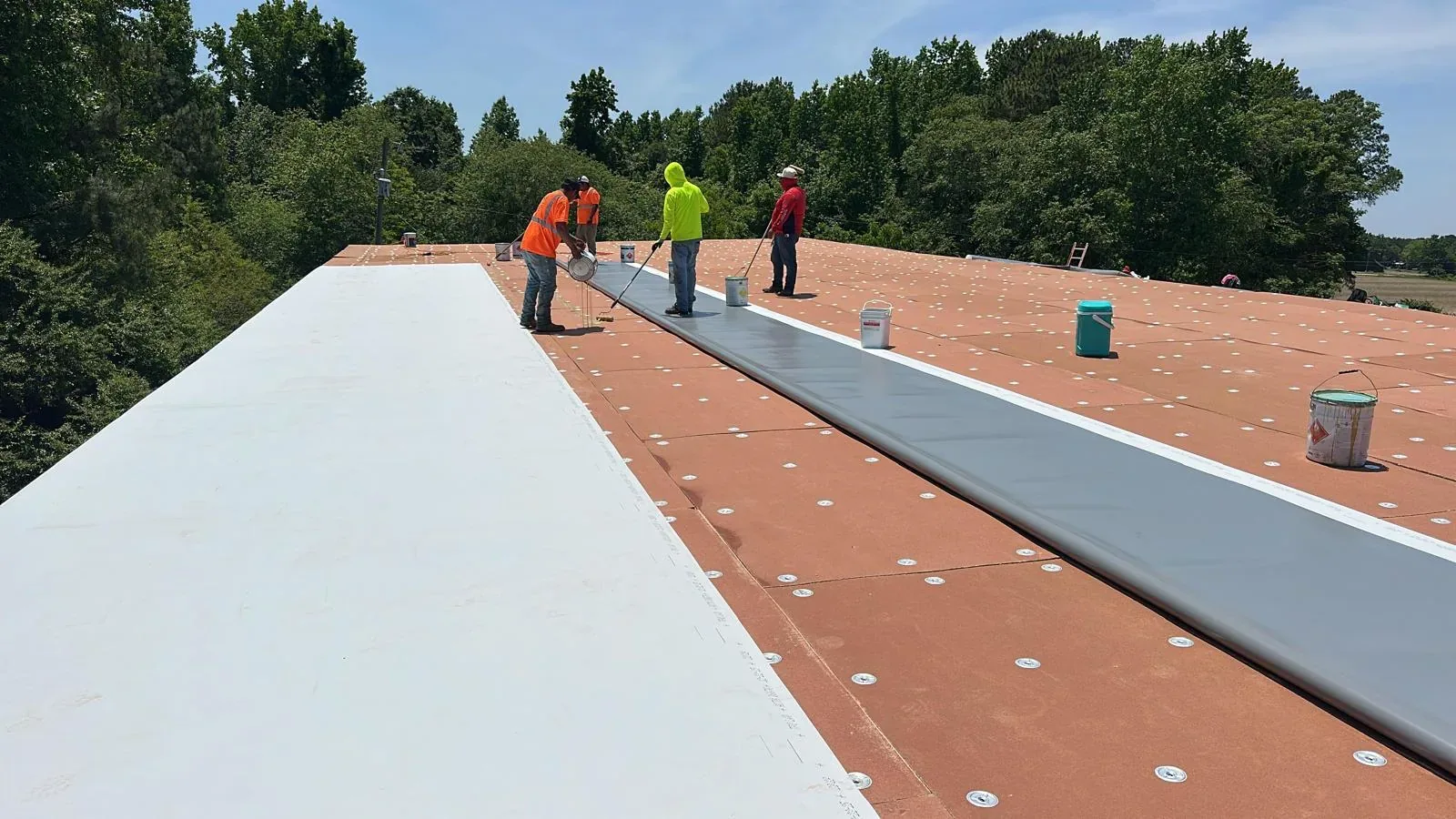
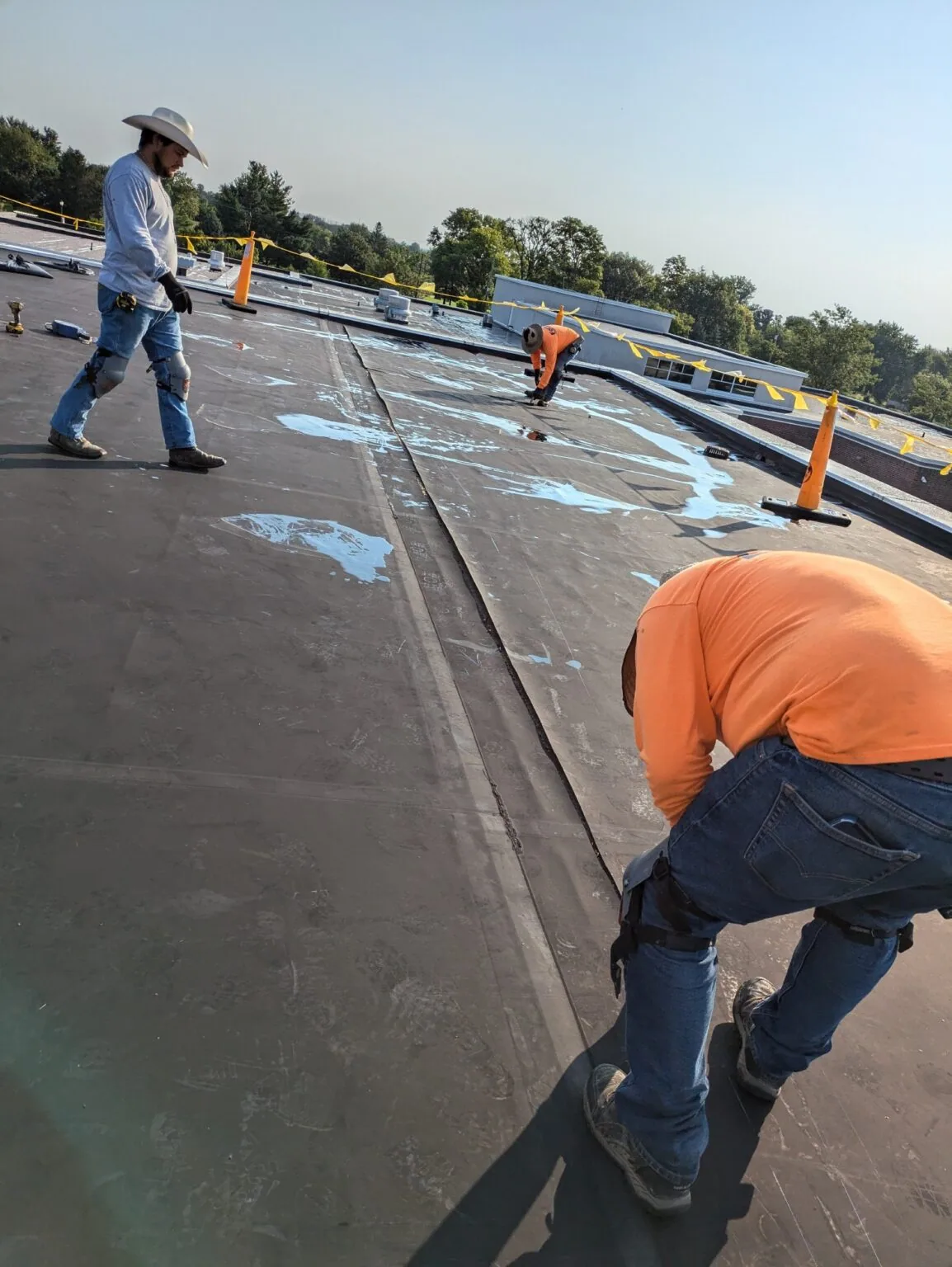
Solar equipment can shade part of a membrane while leaving adjacent areas exposed to summer heating, changing local temperature response and access at the same time. Solar-ready roofing in Irving, TX, examines how the proposed array will interact with a roof that still needs to drain, move and remain repairable. Commercial Roofing Irving coordinates the roof assessment with the array design before support or electrical work conceals important details.
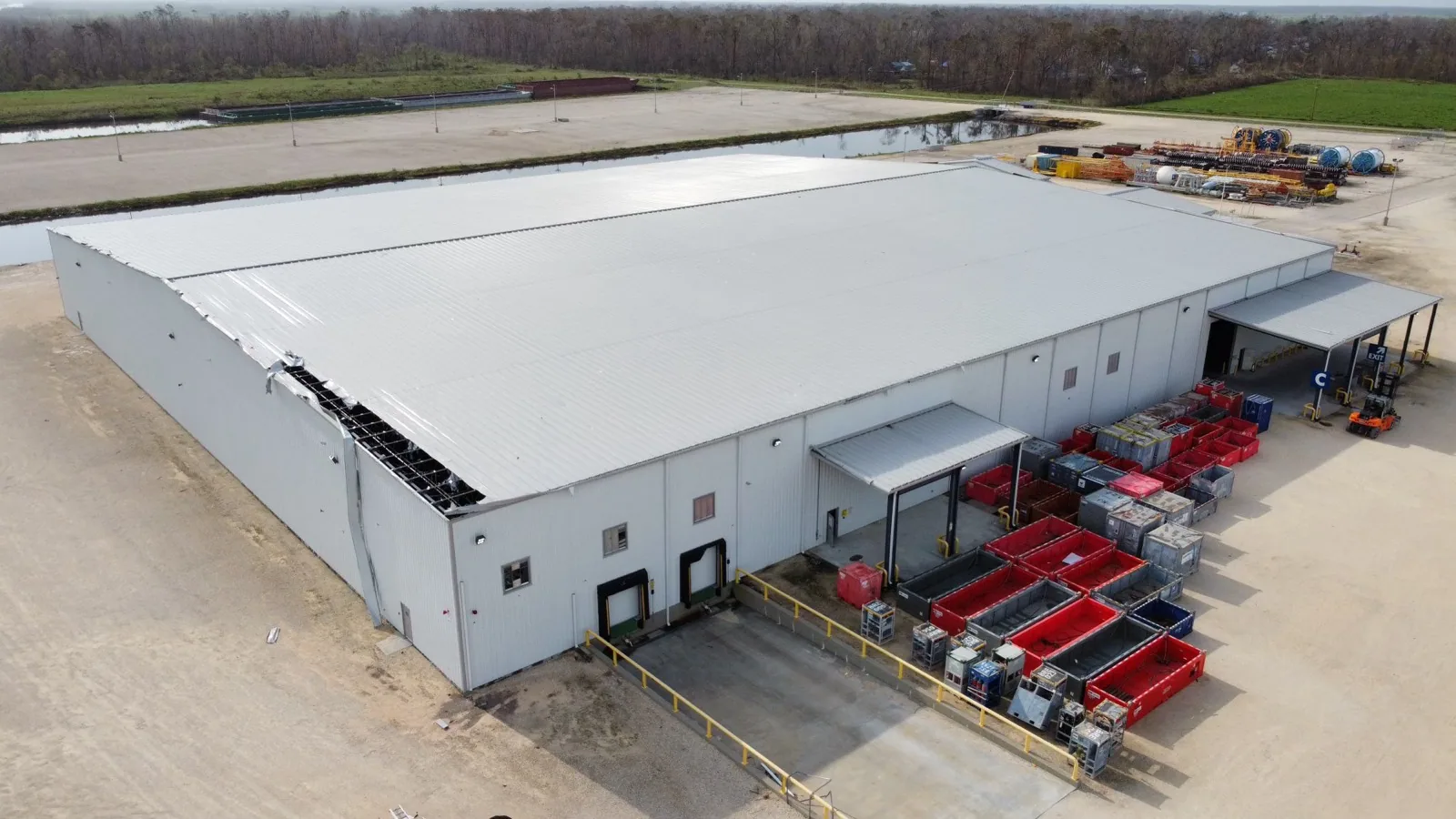
Irving's corporate office complexes and Las Colinas commercial properties can present useful opportunities to compare roof work with a planned equipment investment. The Dallas/Fort Worth region's hot summers are relevant to the material response, but a solar project does not establish that the existing assembly is ready to retain. We assess moisture, attachment and remaining service suitability so the owner can decide whether roofing correction should precede the array installation.
What should be resolved before the array limits access?
Wet insulation, deteriorated seams and unstable attachment can become harder to examine after equipment covers the roof. We establish the existing assembly condition through pre-installation roof examination, with direct investigation where concealment leaves a material question unresolved. The assessment identifies repairs, drainage correction and any need for wider replacement before the solar layout is settled. Installing equipment above an unresolved defect can increase the work needed to reach it later.
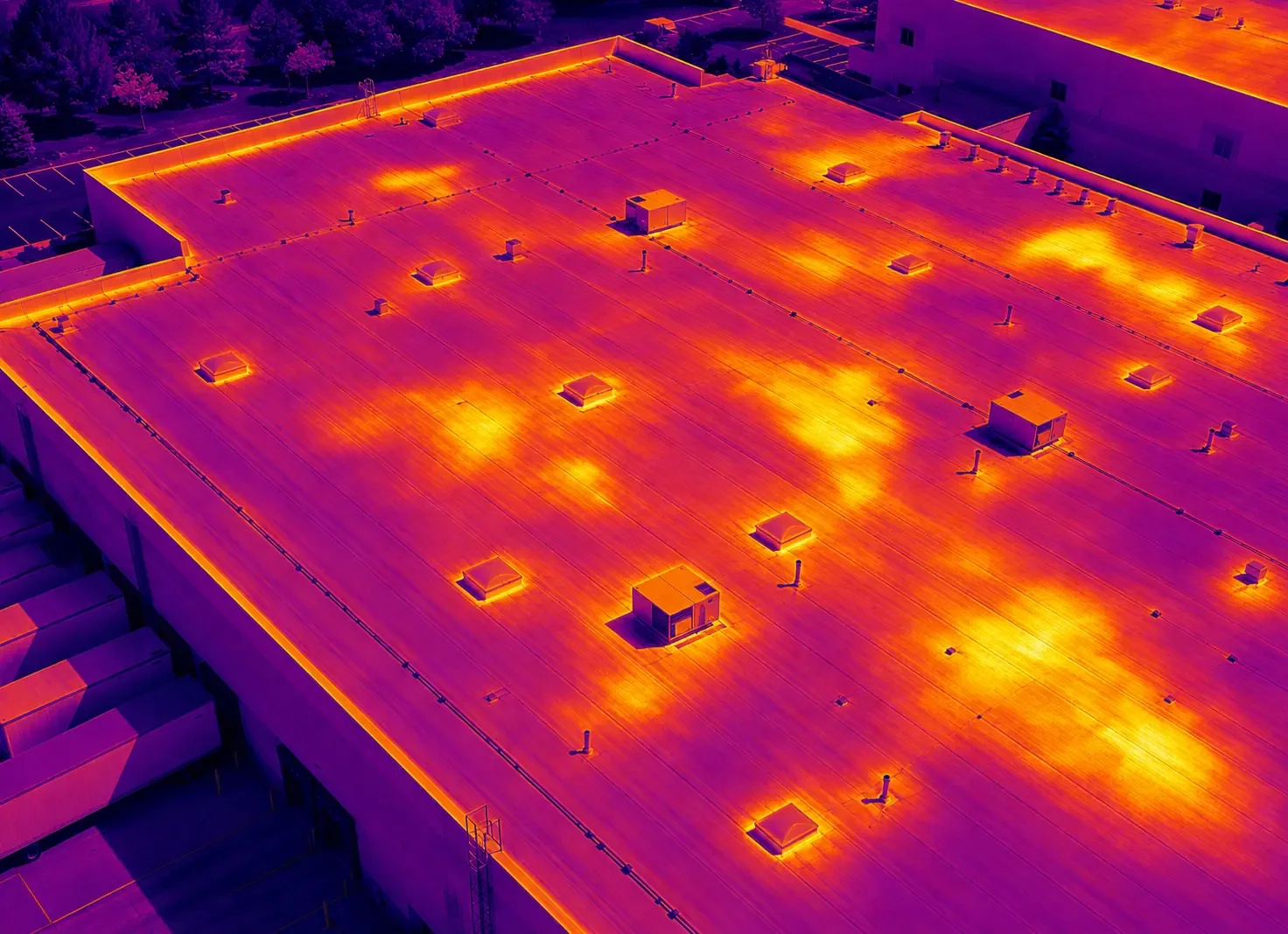
An infrared and confirmation survey may help define suspect moisture areas under suitable roof and weather conditions. We compare those findings with the proposed support and access layout rather than assuming the open field is uniform. Where removal is needed, it can be coordinated before array installation to avoid taking equipment down for an early roof repair. The comparison also considers whether the retained covering can accept the planned protection or attachment details.
How will array loads connect to the building?
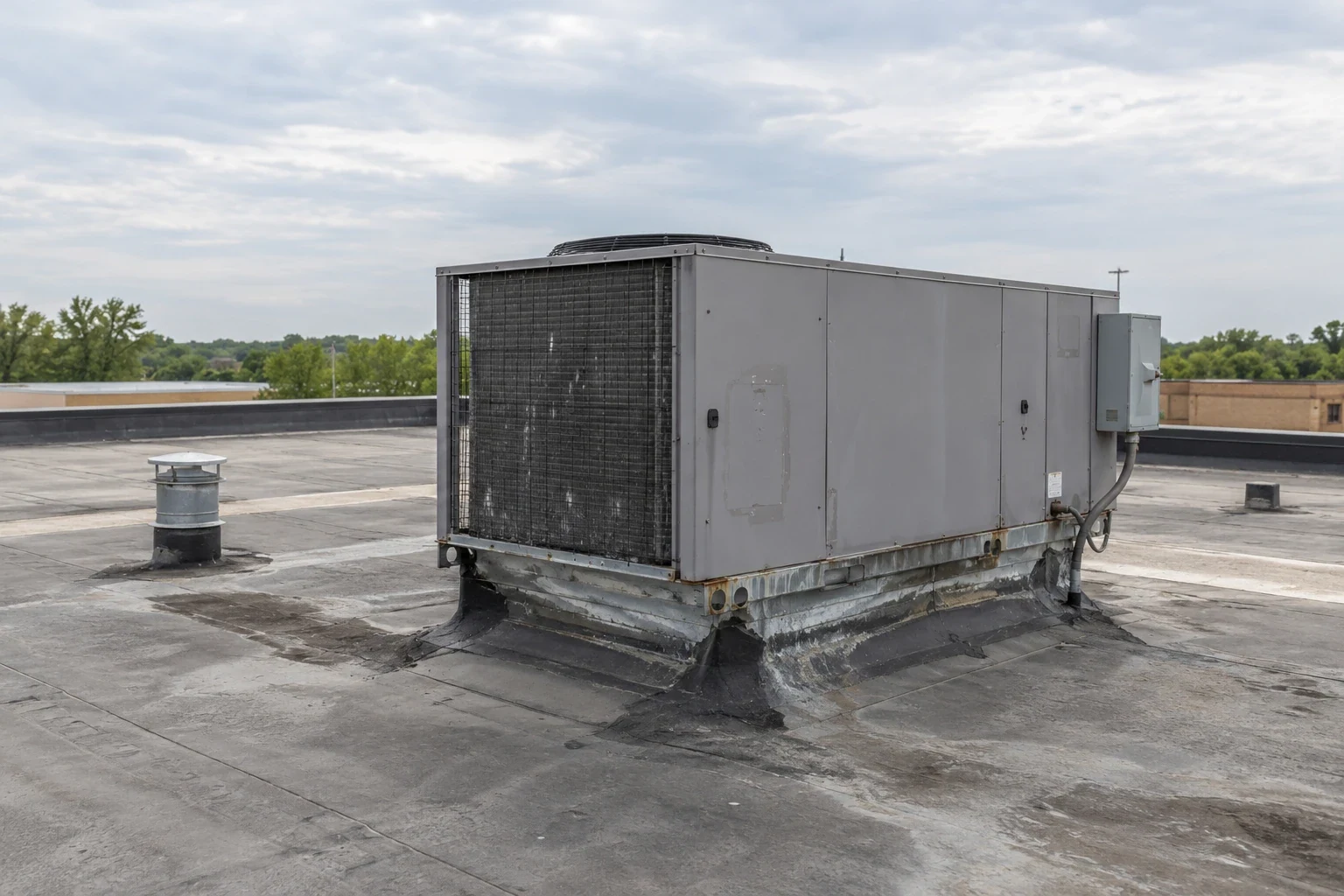
Array support, ballast and penetrations need structural and system design appropriate to the building and roof. We coordinate roofing requirements with those responsible for the array and load assessment, including whether the existing deck or support arrangement needs further review. The membrane and insulation should not be treated as proof of structural capacity merely because the roof surface appears firm. Load distribution and attachment resistance require their own evaluation.
Roof support coordination also addresses contact protection and movement at the covering. A support can abrade the membrane or compress an unsuitable layer if the interface is poorly selected. Penetrating attachments require compatible flashing connected to the actual roof system. We identify those roofing details with the array design so support decisions do not leave unplanned openings or inaccessible connections beneath the finished equipment.
Will the layout keep drains and service routes usable?
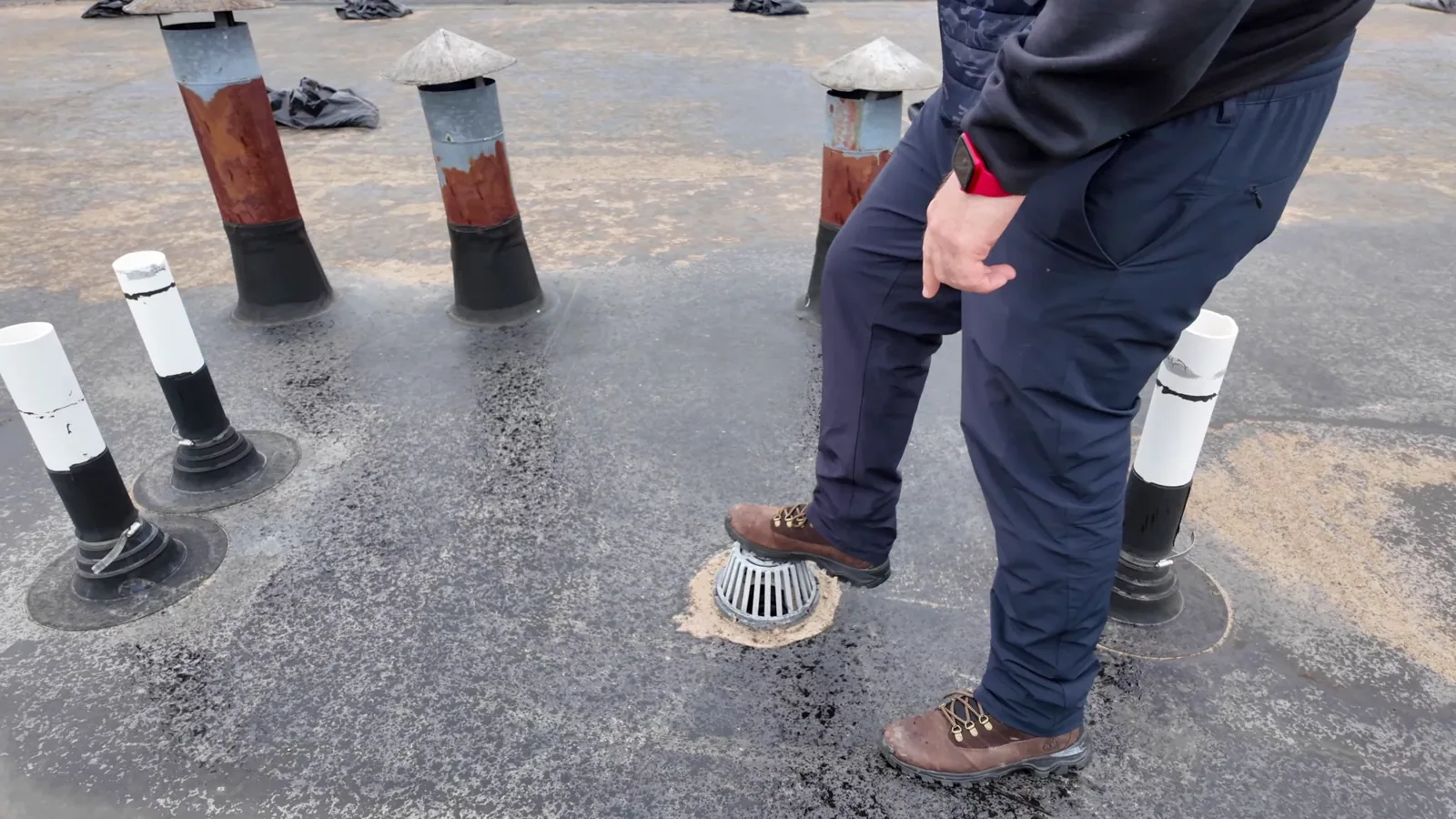
Supports, cable routes and equipment can interrupt runoff or obstruct the approach to drains. We compare the proposed layout with roof slopes, primary outlets and secondary drainage before installation. Drainage access must remain usable for clearing and examination, not just visible in a drawing. A route that requires moving array components for ordinary drain care can turn a routine task into coordinated equipment work.
Maintenance paths also need access to seams, curbs and perimeter details. We assess where technicians will walk and which areas need suitable protection, with the selected walkway materials compatible with the covering. Cable and conduit supports should preserve movement and avoid loose contact with the membrane. Those routes are coordinated with the solar installer so roof service and electrical service can both proceed without using fragile connections as walking paths.
We also identify where temporary material storage can occur during installation without loading an unsuitable roof area or covering an outlet. That staging plan is coordinated before equipment is delivered, alongside the routes used to move components across the roof.
Which roof details need a compatible solar interface?
Attachment penetrations and support pads must suit the roof covering and retained layers. With a TPO roofing system, flashing and welded connections are selected for the assembly rather than improvised from unrelated materials. Other membranes and metal roofs need their own appropriate methods. We examine how the proposed support engages the roof and identify details requiring manufacturer-specific system review without assuming a relationship or approval that has not been established.
Thermal movement continues beneath and around the array. Shading can create different surface temperatures across a roof section, while supports and conduit respond through their own materials and connections. We coordinate movement allowance at penetrations and service routes so the equipment does not restrain a detail intended to move. A compatible installation preserves the roof's water continuity and access rather than treating the array connection as a separate system that cannot affect the covering below.
Should reroofing happen before the solar work?
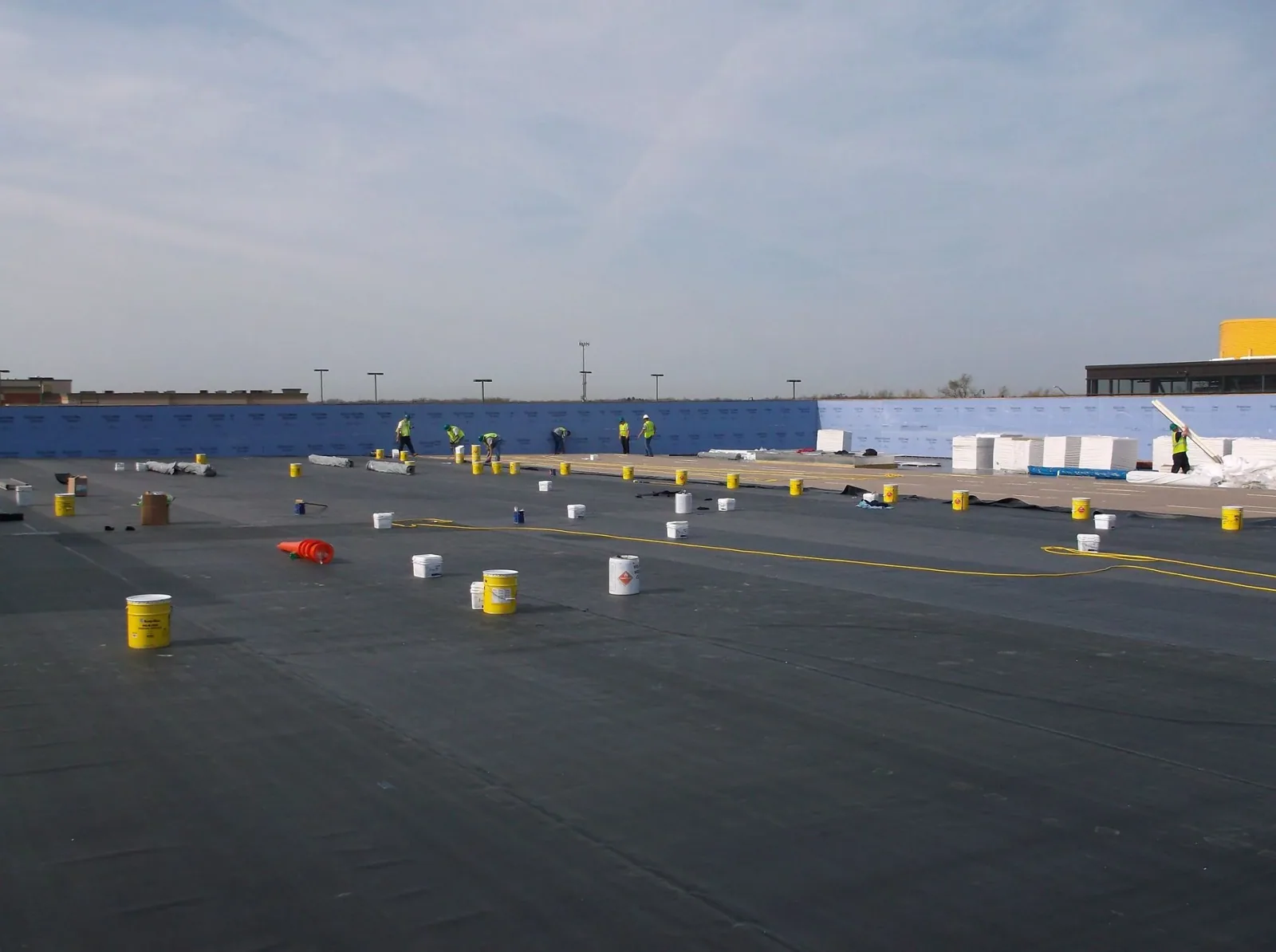
The comparison follows the existing assembly condition and the proposed equipment access requirements. Where deterioration makes near-term replacement appropriate, roof replacement before array installation can avoid removing equipment for the same work later. A serviceable roof may instead need contained repairs and coordinated support details. We identify the physical roof findings behind that recommendation rather than setting a universal age limit for every retained covering.
At Las Colinas commercial properties, staging for roofing and array installation should account for occupied entrances, equipment service and daily circulation. We clarify which trade performs each connection and how roof openings will be protected during the transition. Cost drivers include roof correction, support interfaces, access protection and the coordination required for removal or resetting of equipment. Those activities are separated so the owner can compare the roof work with the array project clearly.
After installation, the maintenance plan preserves outlets and examines accessible interfaces affected by service traffic or equipment movement. Any later array modification should include roofing coordination where supports, penetrations or cable routes change. The finished arrangement should let the roof be assessed and repaired through its service life, with the information needed to locate connections that may otherwise be hidden below equipment.
Commercial Roofing Questions
Can you confirm the roof will carry a ballasted array?
Structural capacity and the array load arrangement need review by the appropriate design professionals. We assess roof material condition and coordinate the roofing interfaces with that evaluation. A ballasted system can affect load distribution, drainage and contact with the covering, so those conditions are considered together. The roof surface alone does not establish that the proposed equipment load is suitable.
Should a leak be repaired before the solar layout is finalized?
The leak mechanism and concealed moisture should be investigated before equipment restricts access. We define the repair and any wet-layer removal, then coordinate the array layout around the corrected details and service routes. Leaving an unresolved entry beneath planned equipment can make later reconstruction more involved. The roof findings can also identify a need for broader work before the solar installation proceeds.
Will supports without penetrations avoid every roofing concern?
Non-penetrating supports still contact the covering and may affect load, movement and runoff. We examine their protection materials, distribution and access relationship with the roof system. A support that blocks water or abrades a membrane needs correction even without an opening through the sheet. The detail is selected for the complete interface rather than its penetration count alone.
Can roofing work proceed with an existing array in place?
Access to the affected area establishes what can be done. Some contained repairs may be reachable, while replacement or concealed detail reconstruction can require coordinated removal and resetting of equipment. We assess the work boundary and discuss the sequence with the array service team. That comparison identifies the access, electrical coordination and protection needed before deciding how much equipment can remain.
Ready to review the roof scope?
Request a Roof Assessment