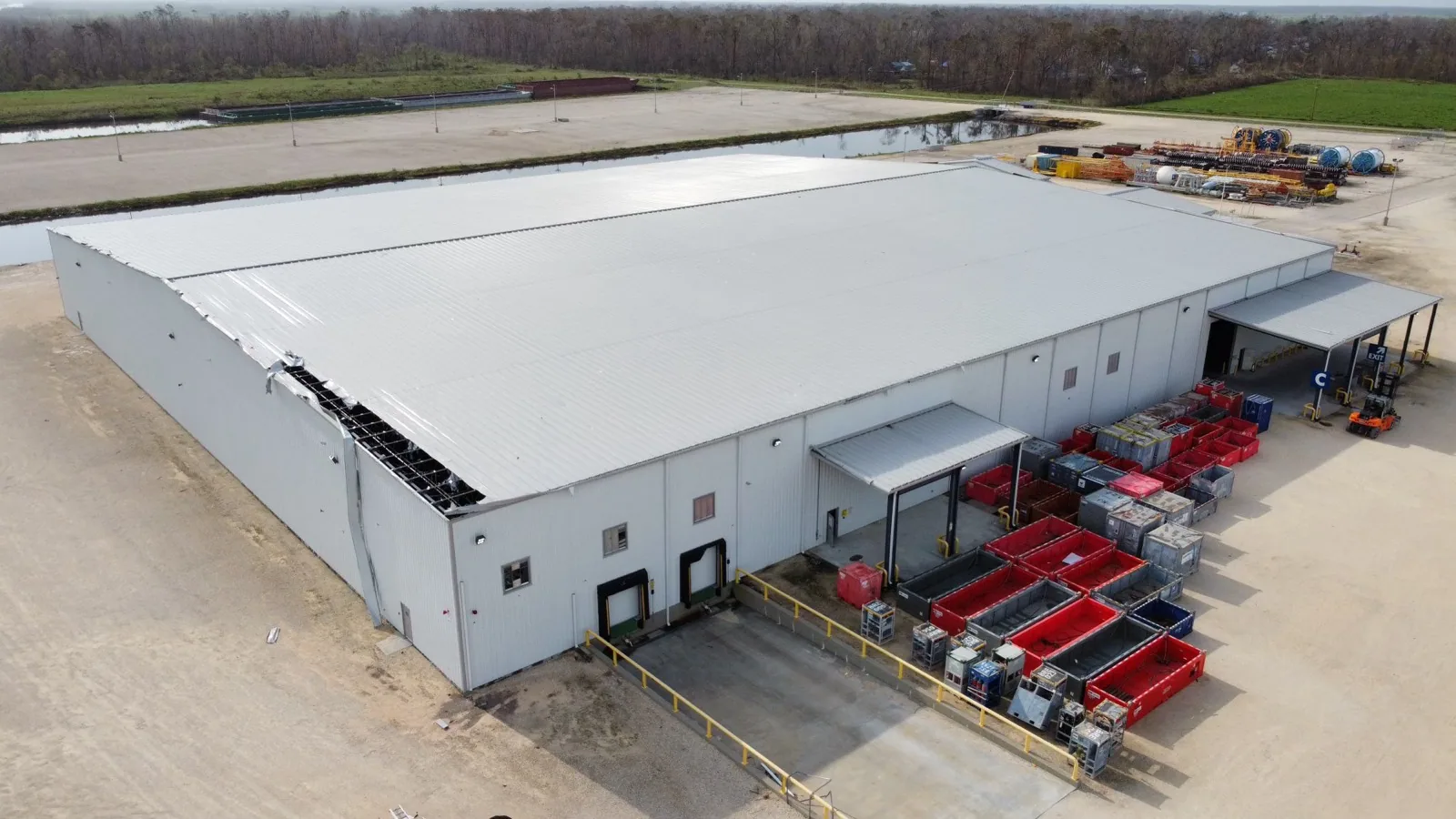
Heat can alter a roof covering even where flames did not reach the full assembly, while smoke and firefighting water may create separate conditions below it. In Irving, TX, we assess those effects only after the building and roof are safe to enter. Commercial Roofing Irving separates visible surface change from damage to seams, insulation, deck and attachments, then identifies what must be removed before a permanent covering can be installed.
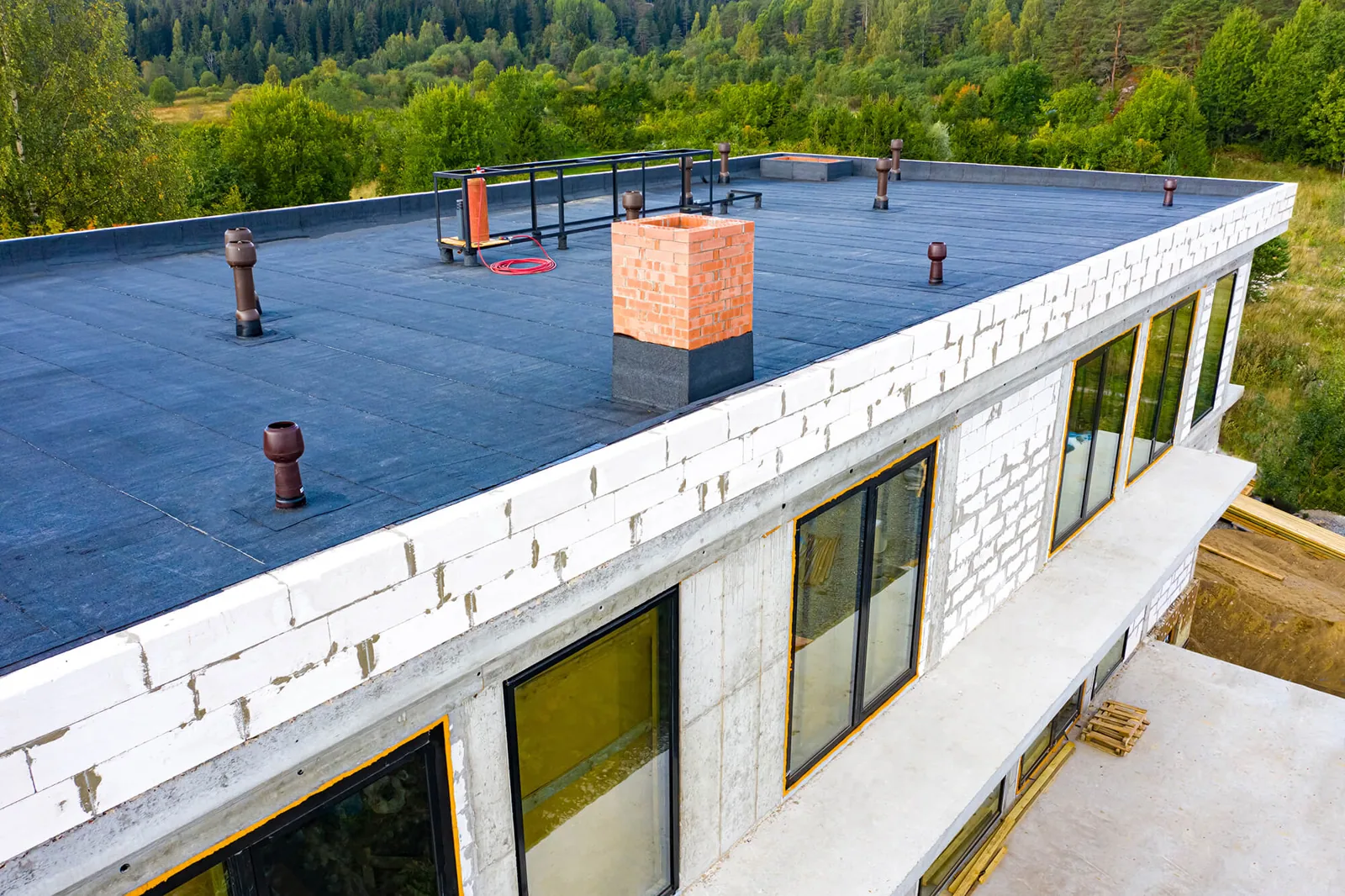
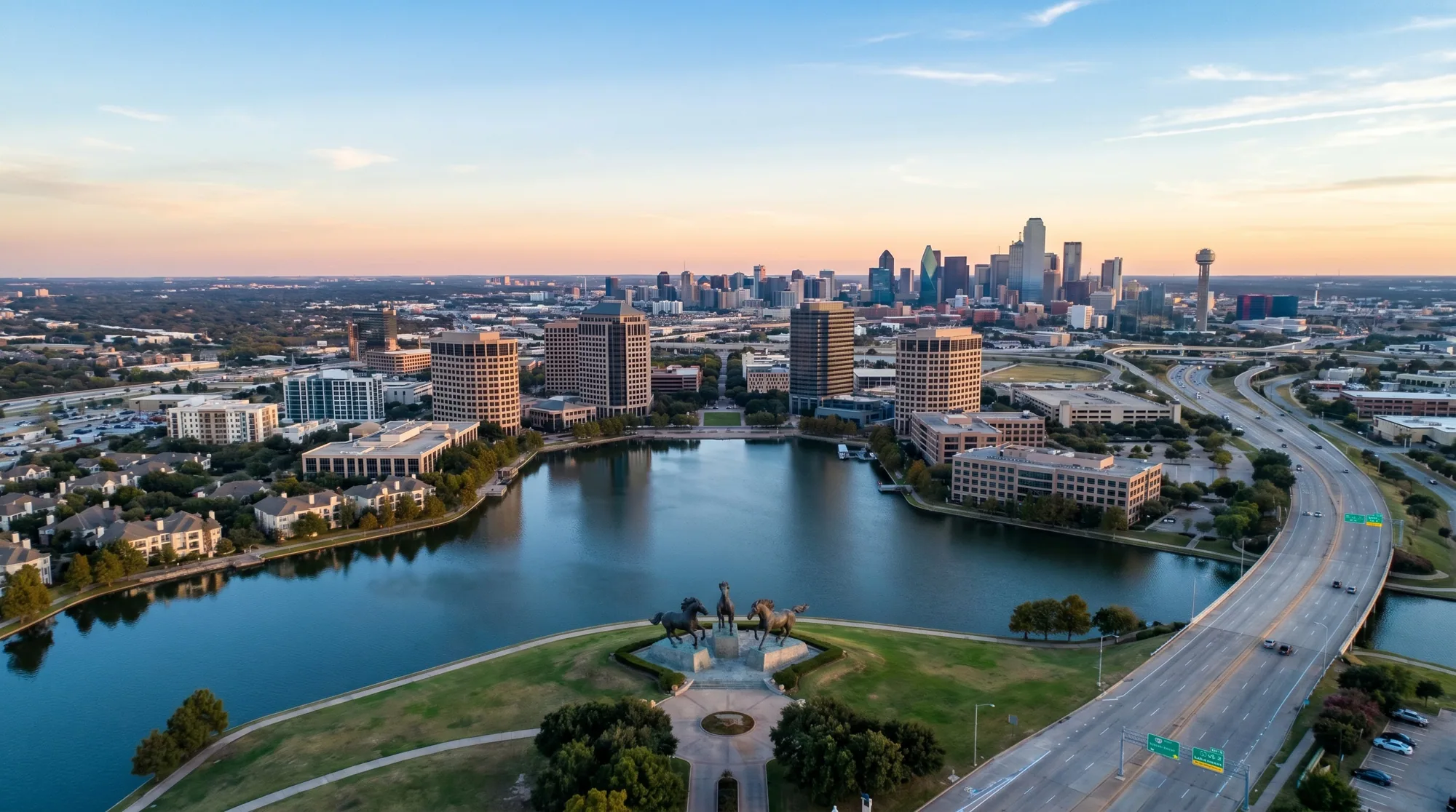
Las Colinas includes office, retail and multifamily buildings; Heritage Crossing includes older downtown commercial settings and redevelopment. Neither use tells us what happened on a particular roof. We examine the actual assembly, affected area and access limits so an occupied building can plan protection and restoration without treating every heat mark as a roof failure.
What must be cleared before roof examination?
Fire response may leave unstable debris, damaged equipment or areas that are not safe to traverse. We coordinate access with the owner and appropriate fire, structural and safety personnel before beginning a roof inspection. A covering can hide weakened support, and a charred or distorted panel should not be disturbed until the work area is cleared. Where immediate water entry threatens the building, we evaluate temporary protection after safe access is confirmed and keep that measure separate from the permanent repair.
Interior conditions also affect the assessment. Smoke residue, wet ceiling materials and damaged electrical systems may require attention from other specialists before a roof opening is made. We establish which areas can be examined, which need additional clearance and what evidence should be photographed before removal. That sequence protects workers and preserves the distinction between roof conditions and damage elsewhere in the building.
Did heat change the membrane or its connection?
Heat exposure can soften, blister, shrink or deform a membrane depending on the material and duration. We inspect the surface alongside laps, terminations and transitions, because a sheet can remain attached in the field while corners or welds have changed. A blister may involve trapped air or moisture rather than fire-related damage alone. We compare its position with the affected area and check whether the membrane still provides a suitable interface for repair.
Metal roofing may show distortion, coating loss or altered fasteners. We assess panel shape and seam engagement before deciding whether an individual section can be replaced. Affected flashing around a curb or wall needs examination at the upper termination and base. Flashing reconstruction can be required where heat altered the transition, but a new detail should connect to material that retains suitable strength and attachment.
What did heat, smoke or water reach below the sheet?
Firefighting water can enter through an opening or remain within insulation after the visible roof has dried. We compare the event area with interior reports and inspect layer joints for signs of moisture, compression or loss of support. Smoke residue can also affect adhesion at a future repair surface. Selective openings help identify the actual condition, while a moisture survey may guide where those openings are useful under appropriate thermal conditions.
We remove material that has lost structural or thermal function and rebuild the substrate before closing the roof. A patch over wet or unstable insulation can conceal damage without restoring a serviceable assembly. The removal boundary follows confirmed conditions and access limits. Roof inspection and photographs document which layers were exposed, what remained and where additional evaluation is required. If heat reached the deck or supporting members, that condition must be reviewed by the appropriate building professional before roof reconstruction continues.
Can an affected section be repaired on its own?
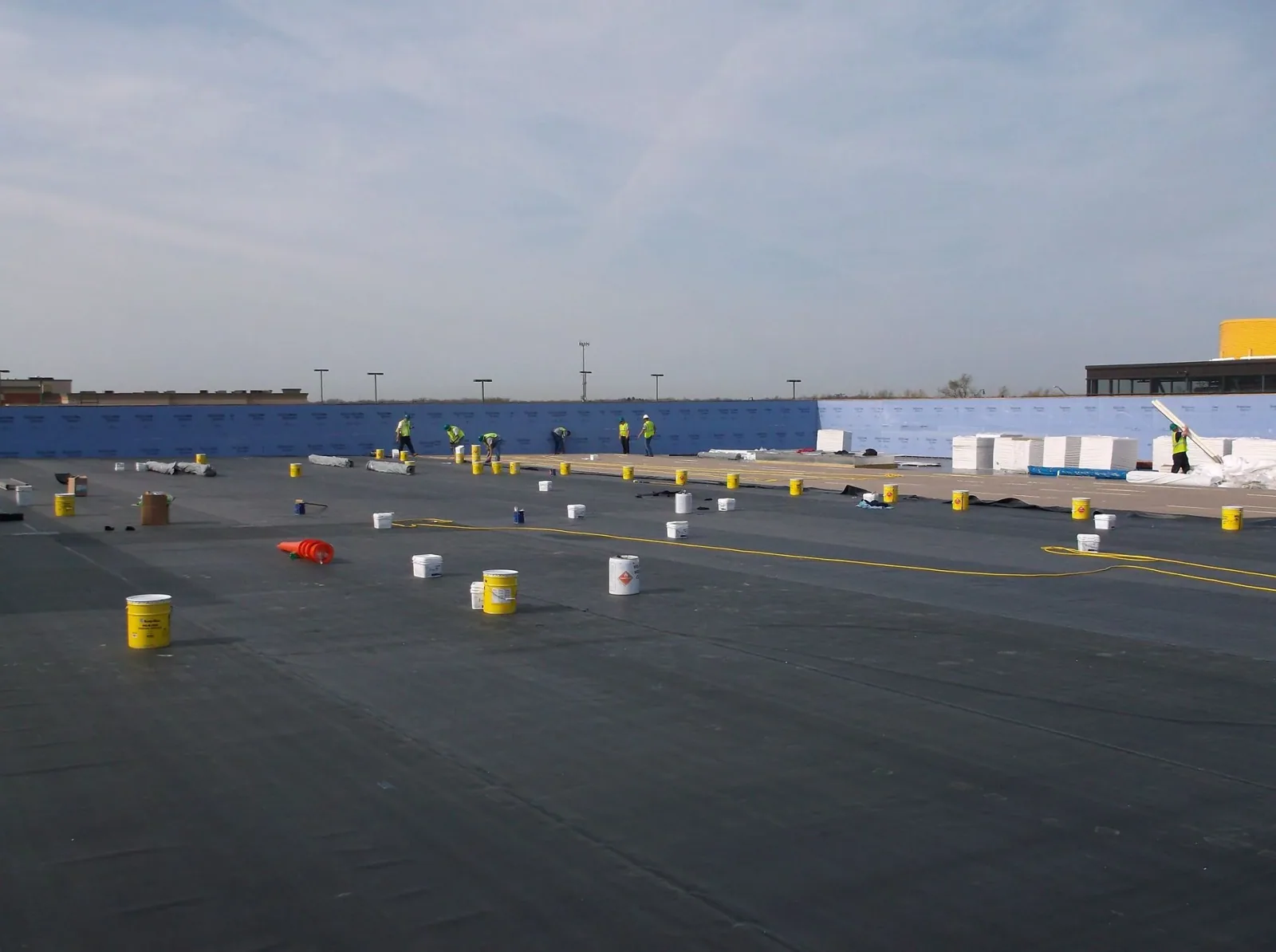
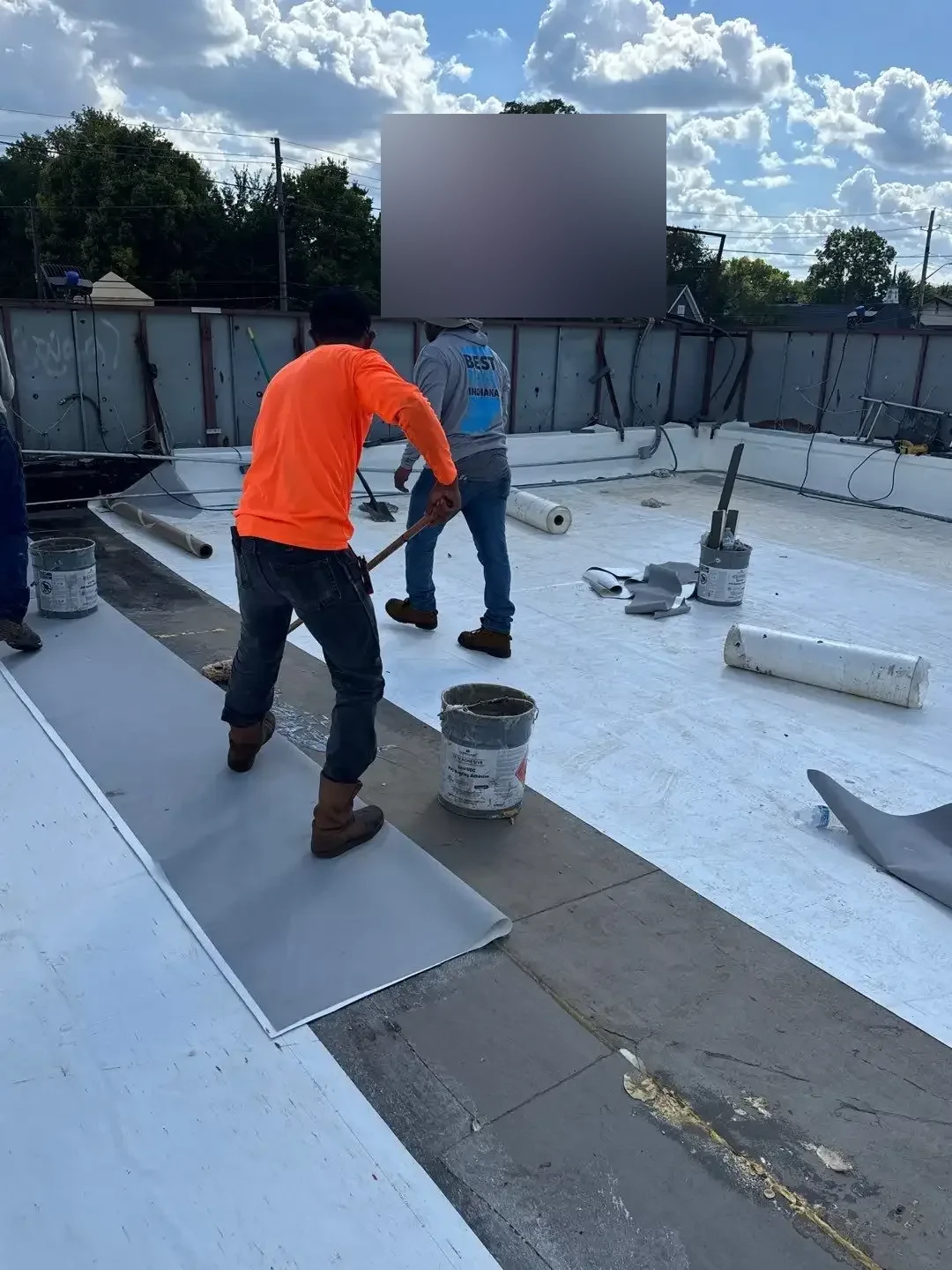
A contained area may be repairable when the covering, bond and support beyond the exposure remain suitable. Wider heat distortion, contaminated surfaces, wet insulation or weakened deck can make sectional removal more appropriate. We identify the materials involved and compare a repair with recover or replacement where the existing assembly cannot accept a dependable connection. A roof system such as built-up roofing has different layer and surfacing requirements from a single-ply membrane, so the scope reflects the installed construction.
Cost depends on the area that needs removal, access for debris handling, substrate repairs and transitions to retained roofing. If a work area sits above occupied space, we plan temporary weather protection and interior coordination before removal begins. The scope records any material left in place and the examination needed before that decision is final. We do not infer the extent of concealed fire or smoke effects from the roof surface alone; the assembly has to be opened where conditions warrant it.
How does restoration proceed in an active property?
For Las Colinas office or retail buildings, roof work may need sequencing around tenants, equipment access and reopening requirements. In Heritage Crossing commercial settings, redevelopment or older building conditions can affect material staging and the transition between new and retained construction. We coordinate work zones with the owner's operations plan, protect exposed layers and communicate when a roof area can be returned to service.
If water is entering, emergency response can address temporary protection after safe access is established. Permanent installation follows inspection and any needed structural clearance. We keep removal, disposal, drying and reconstruction as distinct scope steps so the owner can coordinate other restoration work. Located condition records document the damage boundary and completed repair, providing a basis for later maintenance without implying that roof observations settle building or insurance questions.
What record supports the permanent repair?
We document visible changes, opened layers, moisture observations, material removed and the connection to retained roof areas. The record differentiates what was directly examined from areas that remain concealed. That distinction matters when additional restoration work is scheduled or when the owner compares scopes. A roof finding can describe the condition and repair performed without assigning cause beyond the evidence available at the examination.
After work, we identify the repaired boundary and any transition that should receive attention during maintenance. Heat and UV deterioration, smoke residue or water may affect different components, so one material description cannot stand in for the full assembly. We explain which conditions supported repair and which would prompt broader removal if encountered. Request an Irving assessment once access is cleared; an early scope can separate temporary protection from permanent reconstruction and give the property team a more usable restoration sequence.
Commercial Roofing Questions
Can smoke damage a roof membrane without visible flames?
Residue or heat exposure may affect a surface or its ability to accept a repair, but the extent depends on what reached the roof. We inspect the material and test preparation where appropriate. A visible discoloration alone does not establish that the membrane has failed. The repair method follows the observed surface response and the condition of its supporting layers.
Does firefighting water require insulation replacement?
Only where examination confirms wet or damaged material that should not remain. Water can enter through a breach or move within an assembly, so we compare the roof area with interior reports and use selective checks when needed. Dry, stable insulation may remain. The removal boundary is tied to the layers exposed rather than assumptions about how much water was used.
Should the roof be covered before the full inspection?
Immediate protection can be appropriate once the building and roof are safe to access. We evaluate loose materials and weather exposure before setting a temporary measure. That work limits additional entry, but it does not establish the permanent repair. We document what was covered and return to examine concealed layers when conditions allow.
Can repair work start before structural review is complete?
Roof reconstruction should wait where deck or supporting members may be weakened. We coordinate the examination with the appropriate structural professional and proceed in areas cleared for work. Temporary protection may be planned separately if it can be installed safely. The sequence follows documented access and support conditions rather than a fixed calendar date.
Ready to review the roof scope?
Request a Roof Assessment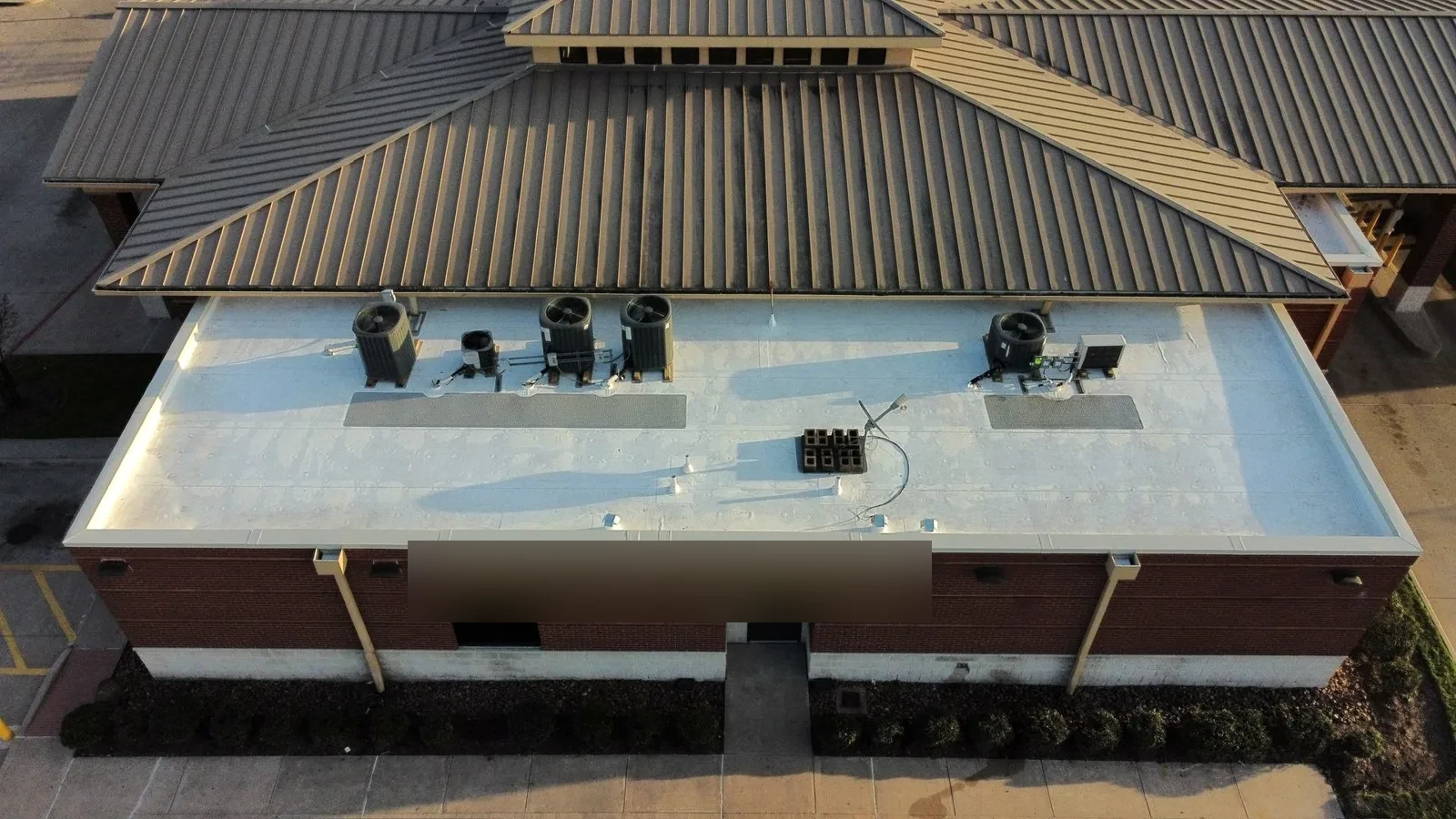
Commercial Roof Flashing Failure Repair
See scope, options and what to expect on the roof.